
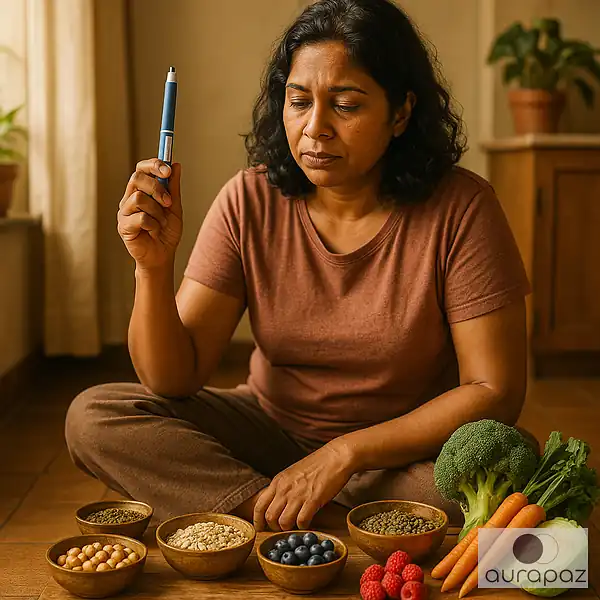
GLP-1 Foods vs Ozempic: What Science Says
If you have been searching for natural GLP-1 alternatives to Ozempic, you are not alone. The appetite-suppressing hormone GLP-1 has become the most talked-about molecule in metabolic health, and for good reason. But between the viral TikTok claims and the prescription hype, most people have no idea what GLP-1 actually does inside the body.
This article maps the real biochemistry of GLP-1 onto specific foods, including familiar Indian staples and globally available ingredients, so you can see exactly where nutrition can genuinely move the needle. We will also look honestly at what semaglutide does differently, because understanding the gap matters.
Whether you are managing weight, blood sugar, or simply want to eat smarter, understanding this hormone gives you a framework that goes far beyond any trend. By the end, you will have a practical, evidence-informed eating pattern to work with, grounded in mechanism rather than marketing.
Table of Contents
What Is GLP-1 and Why Is Everyone Talking About It?
GLP-1, or glucagon-like peptide-1, is a hormone secreted by specialized L-cells lining the small intestine and colon. It is released in response to eating and sends signals to your pancreas to release insulin, to your brain to reduce hunger, and to your stomach to slow down how quickly food moves through.
What makes this interesting is that GLP-1 is not some exotic pharmaceutical invention. Your body makes it every single day. The conversation around it has exploded because drugs like Ozempic work by mimicking this very hormone, producing dramatic effects on appetite and blood sugar that researchers had not previously achieved through diet alone.
How Ozempic Works: The Mechanism Behind the Medication
Semaglutide, the active ingredient in Ozempic and Wegovy, is a synthetic GLP-1 receptor agonist. According to a clinical review of semaglutide mechanisms and efficacy in type 2 diabetes, it binds to GLP-1 receptors with far greater persistence than the natural hormone, which degrades within minutes. This prolonged activation is what drives its powerful effects.
Here is the thing: your natural GLP-1 response lasts roughly two to three minutes before an enzyme called DPP-4 breaks it down. Semaglutide is engineered to resist that breakdown for an entire week. No food or supplement can replicate that pharmacokinetic profile, and it is important to be honest about that distinction upfront.
Can Food Actually Boost GLP-1? What the Research Shows
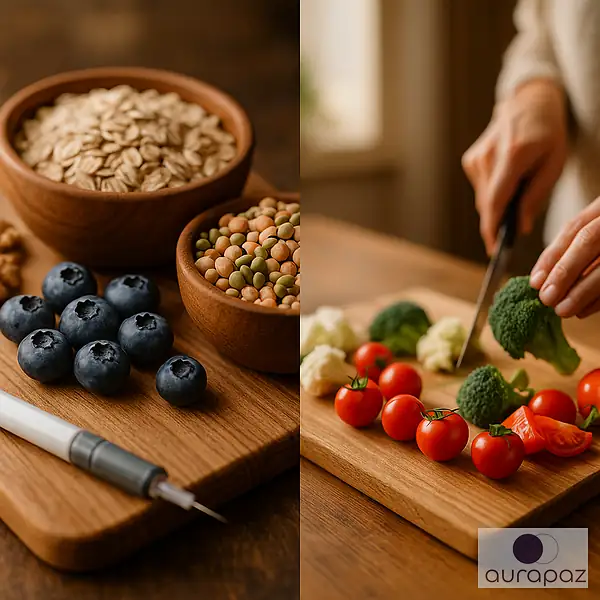
Research does confirm that certain dietary components genuinely stimulate GLP-1 secretion from those intestinal L-cells. A peer-reviewed study on dietary fibre and GLP-1 secretion found that fermentable fibres, particularly short-chain fatty acids produced during fermentation, meaningfully increase GLP-1 output. The gut microbiome plays a central role here, which is why healing your gut naturally can support a healthier hormonal environment overall.
Protein and healthy fats also trigger GLP-1 release, though the magnitude is smaller than what medication achieves. Think of it this way: food nudges the system while semaglutide overrides it. That is not a failure of food, it is just a different tool for a different level of need.
The Most Promising Natural GLP-1 Supporters: Evidence Ranked
- Fermentable fibres from oats, rajma, moong dal, and lentils: research suggests these fuel the gut bacteria that produce short-chain fatty acids, which directly stimulate L-cell GLP-1 secretion and may support satiety after meals.
- Resistant starch from cooled rice, green bananas, and roasted chana: this type of starch escapes digestion and feeds beneficial microbes lower in the gut where the highest concentration of L-cells sits.
- Polyphenol-rich foods like amla, berries, dark leafy greens, and green tea: these anti-inflammatory foods may reduce the chronic low-grade inflammation that impairs GLP-1 receptor sensitivity, according to the Harvard T.H. Chan School of Public Health on dietary patterns and metabolic health.
- High-quality protein from eggs, paneer, Greek yoghurt, and legumes: protein is one of the strongest natural food-based stimulants of GLP-1 release and also triggers other satiety hormones like peptide YY simultaneously.
Honest Limitations: Where Diet Ends and Medicine Begins
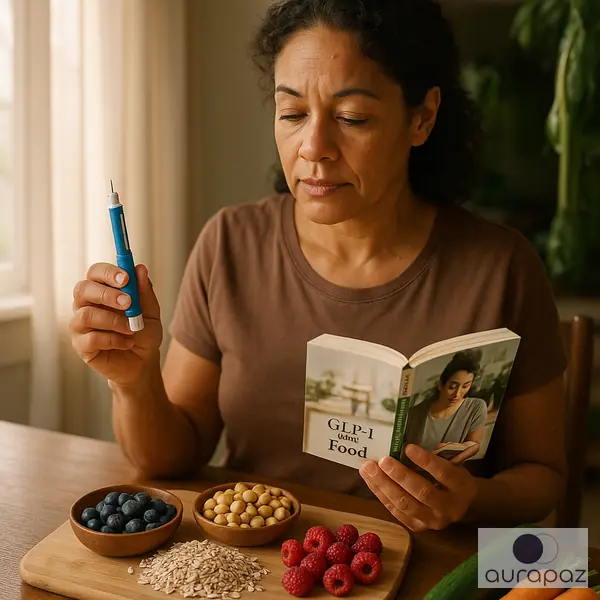
Dietary changes can meaningfully support GLP-1 activity over weeks and months, but they cannot replicate the receptor saturation that semaglutide produces. For someone managing obesity with metabolic complications or type 2 diabetes requiring significant glycaemic control, food alone is unlikely to be sufficient. Please consult your healthcare provider before making any changes to prescribed medication.
It also matters to understand how excess sugar disrupts your metabolism. Ultra-processed foods and refined carbohydrates blunt the GLP-1 response and accelerate DPP-4 activity, effectively working against your natural hormone production. Removing these from your diet is often where the most meaningful dietary gains come from.
A Practical Daily Eating Pattern to Support Your GLP-1 Naturally
A GLP-1-supportive day might start with a bowl of overnight oats topped with berries and a handful of mixed seeds, followed by a lunch of dal, sabzi, and cooled rice to maximise resistant starch. Including a palm-sized portion of protein at every meal and finishing dinner earlier in the evening may further support the hormonal rhythms connected to appetite regulation.
Consistency matters far more than any single superfood. This pattern works not by flooding receptors the way medication does, but by reducing inflammation, diversifying gut bacteria, and giving your L-cells the substrates they need to secrete GLP-1 steadily across the day. Small, sustainable shifts accumulate meaningfully over time.
Myths vs Facts About GLP-1 Foods vs Ozempic
- ❌ Myth: Eating certain foods can fully replace Ozempic for weight loss
- ✅ Fact: Food supports GLP-1 but cannot match semaglutide’s receptor potency
- ❌ Myth: GLP-1 is only relevant if you have diabetes or obesity
- ✅ Fact: GLP-1 influences appetite and blood sugar in every healthy person daily
- ❌ Myth: Protein supplements boost GLP-1 better than whole food protein
- ✅ Fact: Research suggests whole food protein sources trigger a broader hormonal response
- ❌ Myth: You need expensive superfoods to naturally improve GLP-1 levels
- ✅ Fact: Affordable staples like dal, oats, and amla are among the best options
Conclusion
GLP-1 is a real, measurable hormone that responds to what you eat every single day. The science is clear that fibre, resistant starch, polyphenols, and quality protein can meaningfully support its secretion. That is not a small thing, even if it does not produce the dramatic effects of pharmaceutical intervention.
The most powerful dietary move most people can make is not adding a trendy supplement but removing ultra-processed foods that actively suppress their natural GLP-1 response. Building meals around whole grains, legumes, vegetables, and protein is both the oldest and most evidence-supported metabolic strategy available to us.
If you are seriously exploring natural GLP-1 alternatives to Ozempic, the honest answer is that diet is a genuine and meaningful tool within its limits. For personalised guidance on where you sit on that spectrum, working with a qualified nutrition professional or your doctor will always give you the most grounded path forward.
Useful Links
• Healing your gut naturally
• Anti-inflammatory foods
• How excess sugar disrupts your metabolism
• Peer-reviewed study on dietary fibre and GLP-1 secretion
• Clinical review of semaglutide mechanisms and efficacy in type 2 diabetes
• Harvard T.H. Chan School of Public Health on dietary patterns and metabolic health
DISCLAIMER
This content is for educational purposes only and does not constitute medical advice. Always consult a qualified healthcare provider regarding any medical concerns.
Contact Us
Ready to transform your health through personalised nutrition? Book a one-on-one consultation.
Book your consultation today
Website: www.aurapaz.com


Leave a Reply