If you have ever browsed an Ayurvedic herb shop or spoken with a traditional healer, you have almost certainly come across Triphala. Used for over 2,000 years in Indian medicine, this three-fruit blend is one of the most researched botanical formulas in the Ayurvedic tradition. What makes Triphala genuinely compelling is not just its ancient reputation. The growing body of modern science is validating many of its traditional uses, particularly for gut health, natural detox, and immune support.
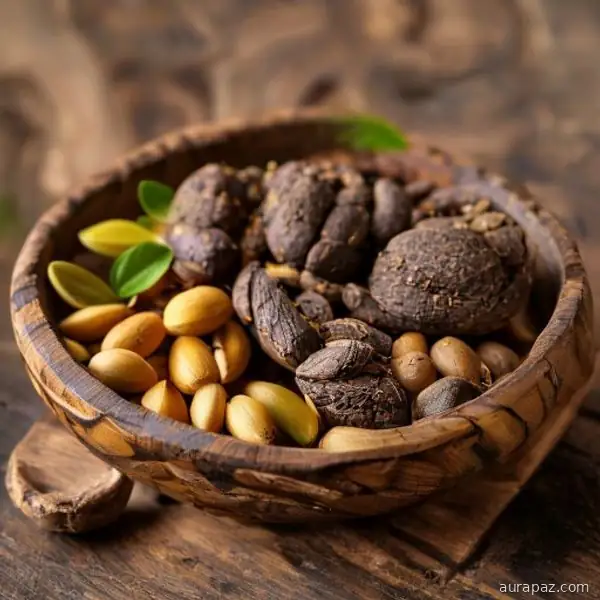
Triphala translates from Sanskrit as “three fruits.” It combines dried amla (Indian gooseberry), haritaki, and bibhitaki in equal parts to create a synergistic formula working across multiple body systems at once: the digestive tract, the liver, the immune system, and the skin.
In this guide, we walk through what Triphala is, why each of its three fruits matters, how it supports gut health and natural detox, and how to incorporate it into your daily routine safely and effectively.
What Is Triphala?
Triphala is a classical Ayurvedic rasayana, a category of formulas designed to promote longevity, rejuvenation, and vitality. Unlike single-herb remedies, it works as a whole-body tonic. Each of its three components targets different systems while also amplifying the effects of the others.
Traditional Ayurvedic practitioners used Triphala to balance all three doshas: Vata, Pitta, and Kapha. This makes it one of the few formulas considered suitable for nearly everyone regardless of constitution. That broad applicability is a key reason it has remained central to Ayurvedic practice for over two thousand years and continues to be one of the most widely used Ayurvedic preparations globally today.
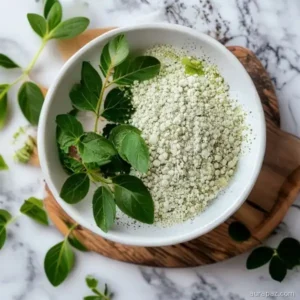
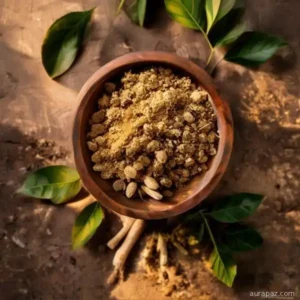
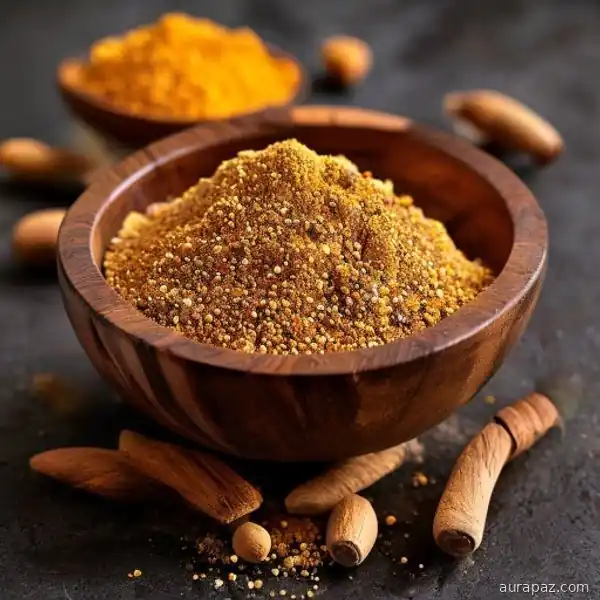
Today, Triphala is available in several forms: powder (churna), tablets, capsules, and liquid extract. The powder form is closest to the traditional preparation and generally considered most bioavailable, since absorption begins in the mouth. Capsules and tablets work equally well for daily use if the strong astringent flavour of the powder is a barrier.
The Three Fruits Behind Triphala’s Power
Each fruit in Triphala brings a distinct nutritional and therapeutic profile. Understanding what each one does helps explain why the combination is so much more powerful than any single ingredient on its own.
Amla (Emblica officinalis)
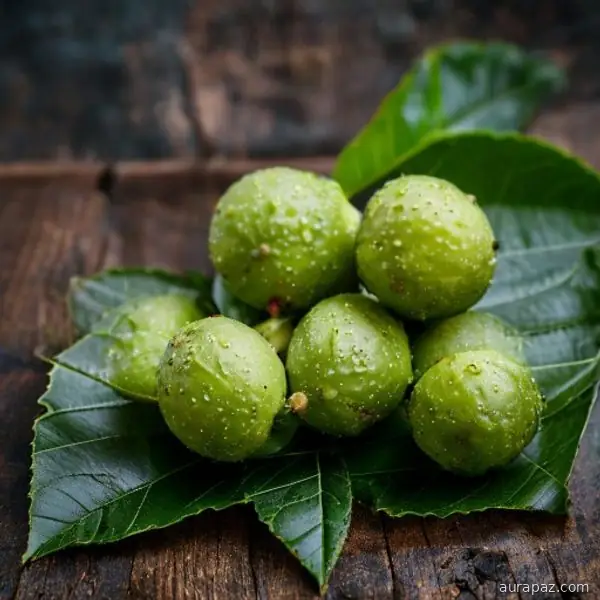
Indian gooseberry is one of the richest plant sources of vitamin C on earth, containing up to 20 times more than oranges by weight. Amla is the primary antioxidant driver in Triphala. It protects cells from oxidative stress, supports collagen synthesis in both the skin and gut lining, and has well-documented hepatoprotective effects that help shield the liver from damage caused by toxins and metabolic waste.
Haritaki (Terminalia chebula)
Often called the “king of herbs” in Ayurveda, haritaki is particularly valued for its digestive effects. It stimulates bowel motility, the rhythmic muscular contractions that move food through the gut, and helps clear accumulated waste from the colon. Haritaki also carries antimicrobial compounds including chebulagic acid and punicalagin, which have shown activity against several pathogens in laboratory studies.
Bibhitaki (Terminalia bellirica)
Bibhitaki primarily supports the respiratory and mucosal systems while contributing additional antioxidant and anti-inflammatory compounds, particularly tannins and gallic acid. Both have been studied for their role in reducing oxidative damage and supporting a balanced inflammatory response. Together with amla and haritaki, bibhitaki completes the formula’s comprehensive, multi-system approach.
How Triphala Supports Gut Health and Digestion
The most well-documented benefit of Triphala is its positive effect on digestion. It works through several mechanisms at once. Haritaki’s mild laxative action stimulates peristalsis, making it particularly useful for those dealing with sluggish digestion, bloating, or irregular bowel movements. Unlike harsh pharmaceutical laxatives, Triphala tones the bowel wall gradually rather than simply purging it.
Triphala also has prebiotic-like properties. Research has found it supports the growth of beneficial gut bacteria including Lactobacillus and Bifidobacterium strains, making it especially valuable for restoring a healthy microbiome after disruption. If you are working to improve gut health more broadly, pairing Triphala with the strategies in our complete guide to healing your gut naturally can significantly amplify results.
Long-term users typically report more regular, comfortable bowel movements without the dependency common with stimulant laxatives. The gradual toning effect also helps reduce intestinal permeability, the leaky gut phenomenon that underlies many chronic inflammatory and autoimmune conditions. This makes Triphala valuable not just as a digestive aid but as a foundational gut-health tool.
Triphala for Detox and Immunity
Triphala’s detox reputation comes from its ability to support the liver and colon at the same time: the two organs most responsible for processing and clearing metabolic waste. Amla has been widely studied for its hepatoprotective effects, with research showing it can reduce liver enzyme markers elevated by oxidative stress and environmental toxins.
Beyond detox, Triphala has meaningful immunomodulatory properties. Studies have found it enhances natural killer (NK) cell activity, a key component of innate immunity that defends against viral infections and abnormal cells. The high antioxidant content across all three fruits also helps neutralise free radicals from chronic stress, pollution, and processed food. This systemic antioxidant effect pairs well with the dietary strategies in our guide to anti-inflammatory foods for a holistic approach to reducing whole-body inflammation.
How to Take Triphala
The most traditional approach is Triphala powder stirred into warm water, taken either before bed or first thing in the morning on an empty stomach. A standard starting dose is half a teaspoon (roughly 1 to 2 grams) per glass of warm water. Some people add a small amount of raw honey or a squeeze of lemon to make the characteristically astringent flavour more palatable.
Quality capsules or tablets are a practical alternative for daily use. Look for products that state a standardised tannin content, which ensures a consistent therapeutic dose rather than a diluted or degraded product. Regardless of the form you choose, consistency matters far more than the precise dose. Daily use over several weeks is where Triphala’s most significant effects on gut health and immunity become noticeable.
Start with a smaller dose and increase gradually. Some people experience mild digestive changes in the first week, including slightly softer stools or increased frequency, which typically settle as the gut adjusts. Those with irritable bowel syndrome, inflammatory bowel conditions, or who are pregnant should consult a healthcare practitioner before starting Triphala.

What the Research Says
Clinical research on Triphala is expanding steadily. Beyond the digestive and antioxidant evidence already described, a randomised controlled trial found Triphala performed comparably to a commercial toothpaste in reducing dental plaque and gum inflammation. Other peer-reviewed studies have explored its role in blood sugar regulation, with modest but consistent benefits observed in participants using it alongside dietary changes.
A comprehensive review published on NCBI examined Triphala across multiple therapeutic areas and concluded that its combination of antioxidant, anti-inflammatory, and prebiotic mechanisms makes it one of the most pharmacologically interesting formulas in traditional medicine. While larger human trials are still needed, the existing evidence aligns closely with centuries of clinical observation within Ayurvedic practice.
References & Further Reading
• How to Heal Your Gut Naturally: The Complete Guide
• Anti-Inflammatory Foods: The Complete Science-Backed Guide
• Triphala Comprehensive Review (NCBI)
• Antioxidant and Antimicrobial Properties of Triphala (PubMed)
• Brahmi Benefits: Ayurveda’s Brain Herb Explained
• Tulsi Benefits: India’s Holy Basil for Holistic Wellness