
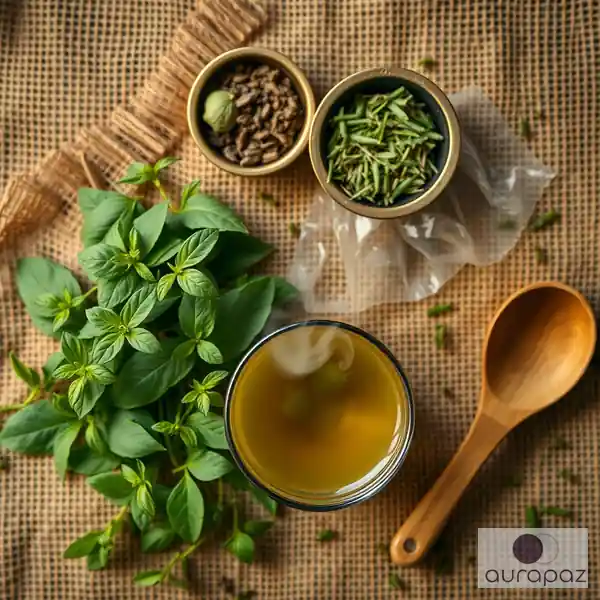
Tulsi Benefits: India’s Holy Basil for Holistic Wellness
Hello AuraPaz family! As Sasha, your nutritionist-in-training, I’m thrilled to introduce you to a truly remarkable herb: Tulsi. Known reverently across India as “Holy Basil,” its deep roots in spiritual practice are complemented by a growing body of scientific evidence showcasing its incredible benefits for our modern, often stressful, lives. Let us explore why this ancient botanical is hailed as the “Queen of Herbs.”
Table of Contents
What is Tulsi? India’s Holy Basil Unveiled
Tulsi, scientifically known as Ocimum sanctum or Ocimum tenuiflorum, is a fragrant herb native to the Indian subcontinent. Distinct from sweet basil, it has a unique peppery, clove-like aroma. The most common varieties are Rama, Krishna, and Vana Tulsi, each with subtle differences in appearance and chemical composition.
Its leaves are a powerhouse of beneficial compounds, including eugenol, rosmarinic acid, and various flavonoids. Found in Indian homes and temples alike, Tulsi is revered for both its beauty and its potent therapeutic properties, offering a blend of tradition and healing potential. Research has further identified that eugenol, one of Tulsi’s primary active constituents, exhibits significant antioxidant activity that helps neutralise free radicals and protect cells from oxidative damage, underpinning many of its well-documented health effects.
Tulsi’s Ancient Roots: Spirituality Meets Wellness
For millennia, Tulsi has been an indispensable part of Indian culture, considered a sacred plant associated with the goddess Lakshmi and Lord Vishnu and symbolising purity and protection. Its presence in temple courtyards and family homes reflects its central role in spiritual life.
Beyond spirituality, Tulsi is a cornerstone of Ayurvedic wellness, known as the “Elixir of Life.” Traditional texts praise its ability to balance the body’s doshas and promote vitality. Its traditional Holy Basil uses range from supporting respiratory health to calming the mind, making it a foundational herb for longevity and daily wellness. This dual role highlights how ancient cultures recognised the profound connection between spiritual and physical health. Classical Ayurvedic texts such as the Charaka Samhita document Tulsi’s use across generations as a rasayana, or rejuvenating tonic, valued for sharpening the mind, strengthening immunity, and sustaining energy throughout all stages of life.

The Science-Backed Tulsi Benefits: An Adaptogen for Modern Life
Modern science is validating ancient claims about Tulsi. Classified as an adaptogen, it helps the body adapt to physical, chemical, and environmental stress by normalising physiological functions rather than targeting a single ailment. This makes it a key player among anti-inflammatory foods and a valuable tool for healing your gut naturally. Notably, researchers have observed that Tulsi’s adaptogenic activity appears to involve the regulation of the hypothalamic-pituitary-adrenal axis, which governs the body’s core stress response, helping to restore hormonal balance after prolonged periods of physical or emotional strain.
Tulsi helps modulate stress hormones like cortisol, promoting calm and well-being for Ayurvedic stress relief. A comprehensive review of Tulsi’s therapeutic applications highlights its anti-inflammatory, antioxidant, and antimicrobial actions, while modern research validating its adaptogenic properties and studies exploring its immunomodulatory effects confirm its broad spectrum of health-promoting qualities. Clinical trials have also reported improvements in cognitive function, including enhanced memory and attention, among participants supplementing with Tulsi extract, pointing to its promising role in supporting mental clarity alongside physical resilience.
How to Incorporate Tulsi into Your Daily Routine
Integrating Tulsi into your daily life is simple and rewarding. It pairs especially well with other gut-supportive habits, and our guide on how to heal your gut naturally covers how herbal teas contribute to a healthier microbiome. Here are practical ways to embrace this Queen of Herbs:
- Tulsi Tea: Steep fresh or dried Tulsi leaves in hot water for 5-10 minutes. Enjoy plain or with a touch of honey.
- Fresh Leaves: Chew 2-3 fresh leaves first thing in the morning to cleanse the system and support immune health.
- Cooking: Add fresh Tulsi leaves to salads, stir-fries, or curries for a unique peppery flavour and added health benefits.
- Supplements: High-quality capsules or tinctures are available when fresh leaves or tea aren’t convenient. Choose reputable brands and consult a professional.
- Aromatherapy: Diffuse Tulsi essential oil to purify the air and promote calm and focus.
- Evening Wind-Down: Brew a warm cup of Tulsi tea about 30 minutes before bed, combining it with a few slow, deep breaths to activate the parasympathetic nervous system. This simple ritual can help lower evening cortisol levels and signal to your body that it is time to rest, supporting both sleep quality and overnight recovery.

Potential Side Effects and Precautions
Tulsi is generally safe when consumed in moderation, but individual reactions vary. It may have mild blood-thinning properties, so those on anticoagulant medication should consult their healthcare provider, as noted in published safety reviews on Ocimum sanctum. People with diabetes or undergoing fertility treatments should consult their doctor, as Tulsi may affect blood sugar levels or hormone balance. Pregnant or nursing women are advised to seek professional medical advice before use.
Tulsi Myths Debunked: What the Research Actually Shows
Despite its long history, Tulsi is surrounded by exaggerations and misconceptions. Here is what peer-reviewed evidence actually tells us.
| Common Myth | What the Research Shows |
|---|---|
| Tulsi cures diseases on its own | It is an adaptogen that supports resilience and the stress response, not a standalone treatment for any specific condition. Studies show benefit as a complement to, not a replacement for, medical care. |
| You need large doses to see results | 1 to 2 cups of tulsi tea daily, or around 300 to 600 mg of standardised extract, is typically sufficient. Excess amounts may cause unwanted effects. |
| Chewing fresh leaves daily is the best method | Excessive leaf-chewing can affect tooth enamel over time due to eugenol content. Drinking tulsi tea or using capsules is gentler and equally effective for consistent daily use. |
| All tulsi varieties work the same | Rama, Krishna, and Vana Tulsi have distinct phytochemical profiles. Vana Tulsi is highest in eugenol; Krishna Tulsi has higher anthocyanin content. Effects can differ depending on which variety you use. |
| Benefits appear straight away | Like most adaptogens, tulsi builds effectiveness gradually. Most clinical trials show significant improvements in stress and immune markers after 4 to 8 weeks of consistent daily use. |
Curious how tulsi compares to other adaptogens? Our guide to ashwagandha benefits for stress and anxiety explores similar HPA-axis mechanisms, backed by clinical evidence on adaptogen safety and long-term efficacy.
Embracing the Queen of Herbs for Holistic Health
Tulsi truly lives up to its title as the “Queen of Herbs,” offering a unique blend of spiritual heritage and scientific validation. Its adaptogenic qualities provide a powerful tool for navigating modern stress, while its traditional uses continue to support overall vitality. From ancient rituals to contemporary wellness practices, Tulsi bridges the gap between mind, body, and spirit.
Incorporating Tulsi is an invitation to a more balanced way of living, encouraging a mindful connection to nature and the healing wisdom passed down through generations. It is a reminder that the most potent remedies are often found in the simplest gifts of the earth.

Start Your Wellness Journey Today
Tulsi’s power to adapt, heal, and uplift makes it an invaluable ally for anyone seeking natural support for stress, immune health, and overall vitality. If you’re curious about how Tulsi or other adaptogens can fit into your unique health journey, consider booking a personalised consultation to discuss your specific needs.
Useful Links
• Anti-inflammatory foods complete guide
• Ashwagandha benefits for stress and anxiety
• How to heal your gut naturally
• comprehensive review on Tulsi’s therapeutic applications
• modern research validating its adaptogenic properties
• studies exploring its immunomodulatory effects
Conclusion
Tulsi is not a miracle herb. It is a deeply researched, widely respected plant that has earned its place in both traditional Ayurvedic practice and modern wellness routines.
Used consistently and mindfully, it may support your stress response, immunity, and overall wellbeing in ways that pharmaceuticals rarely address holistically.
Start with a simple cup of tulsi tea each morning. Notice how you feel over two weeks.
Written by the Aurapaz Wellness Team, guided by decades of hands-on experience in traditional and holistic therapies.
DISCLAIMER
This content is for educational purposes only and does not constitute medical advice. Always consult a qualified healthcare provider regarding any medical concerns.
Experience Aurapaz Wellness
Nutrition & Health
www.aurapaz.com
WhatsApp or Call: +91-85000-92131
Book your session: https://aurapaz.com/contact-us
Contact Us
Ready to transform your health through personalised nutrition? Book a one-on-one consultation.
Book your consultation today
Website: www.aurapaz.com



Leave a Reply