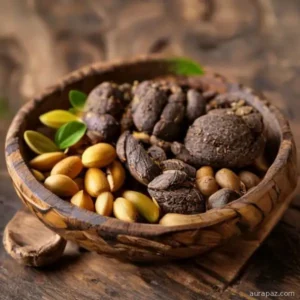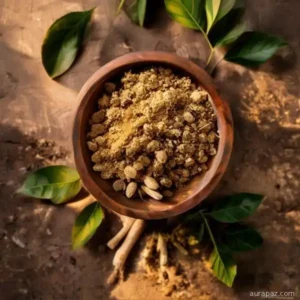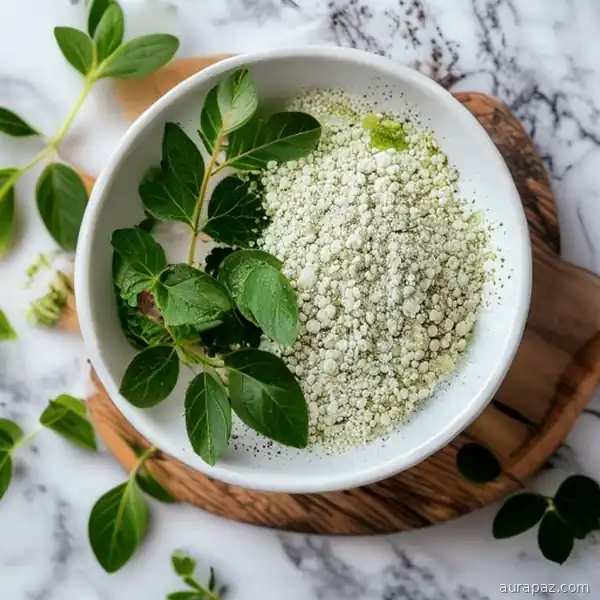
If you have ever struggled with brain fog, poor concentration, or the mental fatigue that builds up from relentless modern stress, brahmi benefits may hold the answer you have been looking for. Known botanically as Bacopa monnieri, brahmi is one of the most revered herbs in Ayurvedic medicine and is now backed by a growing body of clinical research confirming what traditional practitioners have known for centuries: this small aquatic plant is one of nature’s most powerful brain tonics.
In this guide, we will explore what brahmi is, how it works in the brain, the clinical evidence for its effects on memory, learning, stress, and anxiety, and how to use it safely for maximum benefit.
Brahmi has been used in Ayurveda for over 3,000 years as a medhya rasayana, a class of herbs specifically prescribed to rejuvenate the mind and sharpen cognitive function. Classical Ayurvedic texts recommend it for poor concentration, chronic anxiety, and nervous system exhaustion, conditions that feel remarkably familiar in today’s world.
What Is Brahmi?
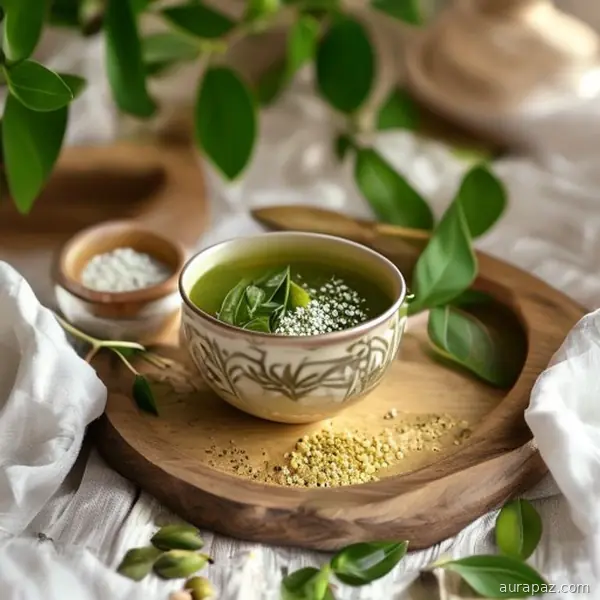
Brahmi (Bacopa monnieri) is a creeping wetland herb that grows naturally across India, Nepal, Sri Lanka, China, and parts of Florida. Its small oval leaves and white flowers contain a group of active compounds called bacosides, which are responsible for virtually all of its brain-enhancing effects. Brahmi is not to be confused with Gotu Kola (Centella asiatica), which is also sometimes called brahmi in parts of southern India.
In Ayurveda, brahmi is considered a tridoshic herb, meaning it balances all three doshas (Vata, Pitta, and Kapha) and is considered safe for most body types. It has a particular affinity for the nervous system and is traditionally prepared as a medicated ghee, a powder mixed into warm milk, or a fresh juice extract. Today it is widely available in capsule and standardised extract form, making it far easier to incorporate into a daily routine.
What sets brahmi apart from other herbal nootropics is its dual action: it simultaneously improves the brain’s ability to form new memories while also calming the nervous system. This combination makes it genuinely useful for students, professionals under pressure, older adults concerned about cognitive decline, and anyone dealing with anxiety-driven mental fog.
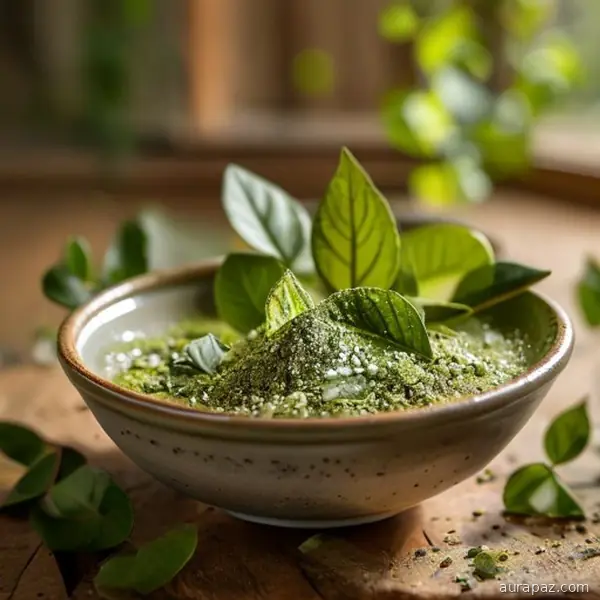
Brahmi Benefits for Memory and Learning
The strongest clinical evidence for brahmi benefits centres on its ability to improve memory formation and recall. A landmark study published in Neuropsychopharmacology found that adults taking 300 mg of standardised brahmi extract daily for 12 weeks showed significant improvements in verbal learning rate, memory consolidation, and delayed word recall compared to placebo. The effect was most pronounced for new information rather than existing long-term memories, which suggests brahmi actively improves the brain’s learning machinery rather than simply retrieving stored data.
Bacosides work by enhancing the transmission of nerve impulses along neural pathways in the hippocampus, the brain region most central to learning and memory. They also stimulate the growth of dendritic branching, essentially encouraging the brain to build more connective pathways between neurons. Think of it as fertiliser for your neural network.
Importantly, brahmi’s memory benefits build over time rather than appearing immediately. Most trials show the significant effects emerging between 8 and 12 weeks of consistent use. This makes brahmi fundamentally different from stimulants: it does not create a short-term cognitive spike followed by a crash. It gradually remodels how your brain processes and stores information, which is a far more durable and sustainable form of cognitive enhancement.
Brahmi for Stress, Anxiety, and Mental Clarity
Brahmi is classified as an adaptogen, a herb that helps the body and mind adapt to physical and psychological stress. Like ashwagandha, which reduces cortisol and modulates the HPA stress-response axis, brahmi works to lower the physiological impact of stress on the brain. Studies show that it reduces levels of heat shock proteins (a biochemical marker of cellular stress) and lowers cortisol concentrations in chronically stressed individuals.
For anxiety specifically, brahmi appears to enhance the activity of GABA, the brain’s primary inhibitory neurotransmitter. This produces a calming effect on the nervous system without sedation or cognitive impairment. Multiple clinical trials using the Hamilton Anxiety Rating Scale (HAM-A) have found statistically significant reductions in anxiety scores after 8 to 12 weeks of supplementation, particularly in people with generalised anxiety rather than acute panic disorder.
The result for many users is a subtle but meaningful shift in mental baseline: less reactive to stress, more focused during demanding tasks, and a clearer, quieter mind overall. This is the cognitive state that Ayurvedic practitioners have always described as the goal of brahmi use: not stimulation, but clarity.
How Brahmi Protects the Brain
Beyond its cognitive enhancement effects, brahmi benefits include significant neuroprotective properties that are particularly relevant for long-term brain health. Bacosides act as potent antioxidants in the brain, neutralising the free radicals that accumulate from oxidative stress, environmental toxins, and normal metabolic activity. Left unchecked, this oxidative damage accelerates neuronal ageing and is implicated in neurodegenerative conditions such as Alzheimer’s and Parkinson’s disease.
Brahmi also reduces neuroinflammation by inhibiting pro-inflammatory cytokines in the brain. Chronic inflammation in the nervous system is increasingly recognised as a major driver of cognitive decline, depression, and mood disorders. This connects brahmi to the same evidence base that supports anti-inflammatory nutrition as a foundation for long-term brain and body health. The mechanisms overlap: less inflammation means better signalling, better mood regulation, and a brain that ages more slowly.
Animal studies have also shown that brahmi can enhance levels of serotonin and dopamine in key brain regions, offering a possible explanation for its mood-stabilising effects. While more human trials are needed in this area, the existing research paints a compelling picture of brahmi as a herb that supports brain health from multiple angles simultaneously.

How to Take Brahmi: Dosage and Forms
To get the full brahmi benefits, the form and quality of the supplement matters significantly. Look for standardised extracts specifying their bacoside content, typically 20% bacosides for therapeutic use.
- Standard dose: 300–450 mg of standardised extract (20% bacosides) daily, taken with food
- For cognitive enhancement: Take in the morning with breakfast to support focus and memory throughout the day
- For sleep and anxiety: A lower dose (150–300 mg) in the evening alongside ashwagandha can deepen calm and improve sleep quality
- Traditional Ayurvedic preparation: Half a teaspoon of brahmi powder stirred into warm ghee or milk, taken first thing in the morning on an empty stomach
- Brahmi oil: Used topically in Ayurveda for scalp massage, believed to calm the nervous system and support hair health simultaneously
As with all adaptogens, consistency is more important than dose size. Clinical benefits for memory and cognition typically require 8 to 12 weeks of daily supplementation. Do not expect overnight results; expect a gradual, sustained improvement in how your mind handles information and stress.
Safety and Who Should Avoid Brahmi
Brahmi is well-tolerated by most healthy adults at standard doses. The most commonly reported side effect is mild gastrointestinal discomfort (nausea, cramping, or loose stools) when taken on an empty stomach. Always take brahmi with food to minimise this. Other important precautions:
- Pregnancy and breastfeeding: Insufficient safety data exists. Avoid use until more research is available
- Thyroid conditions: Brahmi may increase thyroid hormone levels. Consult your doctor if you are on thyroid medication
- Sedative medications: Brahmi’s calming properties may potentiate the effects of benzodiazepines or sedative drugs
- Slowed heart rate: Brahmi may reduce heart rate in some individuals. Use with caution if you have bradycardia or take beta-blockers
Cycling brahmi (12 weeks on, 4 weeks off) is a sensible approach for long-term use and mirrors its traditional Ayurvedic application as a seasonal tonic rather than a permanent daily supplement.
References & Further Reading
• Ashwagandha Benefits for Stress and Anxiety: The Complete Evidence-Based Guide
• Anti-Inflammatory Foods: The Complete Science-Backed Guide
• Clinical Trial: Brahmi improves memory and learning (Neuropsychopharmacology, PubMed)
• Brahmi as an Adaptogen and Neuroprotectant: Review (NIH/NCBI)
• Tulsi Benefits: India’s Holy Basil for Holistic Wellness
• Triphala Benefits: The Ayurvedic Formula for Gut Health