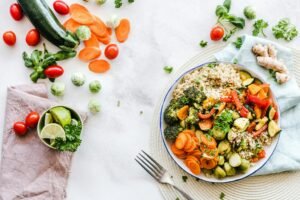
Every winter, and every monsoon, the same question comes up in my consultations: what can I actually do with food to support my immune system? It is a fair question, and it has a real but limited answer. Nutrition does not prevent, treat or cure any specific infection. What adequate nutrition does is give your immune system the raw materials it needs to do its job normally. Vaccination, hand hygiene and the advice of your local public health authority are the measures that actually reduce your risk of catching something. Food works underneath those, never instead of them.
This post walks through the specific foods, herbs, and dietary shifts with the strongest research behind them for supporting immune function when outbreaks are circulating. Nothing extreme, nothing expensive. Practical, evidence-backed nutrition for the world we are living in right now.
Whether you are in India navigating monsoon-season viral risks or in the US tracking the latest outbreak news, these principles apply equally to both bodies and both kitchens.
Why Outbreak Seasons Pressure Your Immune System
Your immune system is not a single organ. It is a network: white blood cells produced in bone marrow, T-cells trained in the thymus, antibodies manufactured in lymph nodes, and 70 to 80 percent of your immune tissue lining your gut wall. During outbreak seasons, this entire network gets stress-tested in ways your body does not experience in quieter months.
Stress hormones like cortisol suppress immune activity. Disrupted sleep, which often accompanies outbreak anxiety, reduces natural killer cell output by up to 70 percent according to research published in the journal Sleep. Add nutritional gaps to that equation and your defenses thin faster than you realise. The combination of stress, poor sleep, and low-quality food is exactly what creates the vulnerability window that viruses exploit.
The practical implication: your daily food choices influence how well this network is supplied. Specific nutrients act as raw materials for immune cell production, viral defense signaling, and inflammation regulation. Getting them right is not complicated. It starts with what is already in most Indian and Western kitchens, used more deliberately than usual.
Immunity-Boosting Foods to Eat Right Now
Vitamin C is the most researched immune nutrient, and Indian kitchens have access to one of the most concentrated sources in the world. One medium amla (Indian gooseberry) contains 600 to 700 mg of Vitamin C, roughly eight times more than an orange. A 2017 meta-analysis in Nutrients found that Vitamin C at 200 mg or above reduced cold duration by 8 percent in adults and 14 percent in children. Guava, raw bell peppers, kiwi, and fresh coriander are other rich sources accessible year-round in both India and the US.
Zinc is equally critical. It is directly involved in the development and activation of T-cells, the immune cells that identify and destroy infected cells. Pumpkin seeds, chickpeas, lentils, cashews, and sesame seeds are zinc-dense and easily incorporated into everyday meals. A 2021 review in the British Journal of Nutrition confirmed that zinc deficiency significantly impairs both innate and adaptive immunity, and that even mild deficiency common in vegetarian diets is enough to blunt immune responses.
Vitamin D is the sleeper nutrient of immune function. A large meta-analysis published in the BMJ found that people with low Vitamin D levels were significantly more likely to develop acute respiratory infections. In India and the US, most urban adults are deficient due to indoor lifestyles. Fatty fish, egg yolks, and fortified dairy help, but 20 minutes of direct midday sun on bare arms and legs remains the most efficient route to adequate levels.
Herbs That Have Protected Communities for Centuries
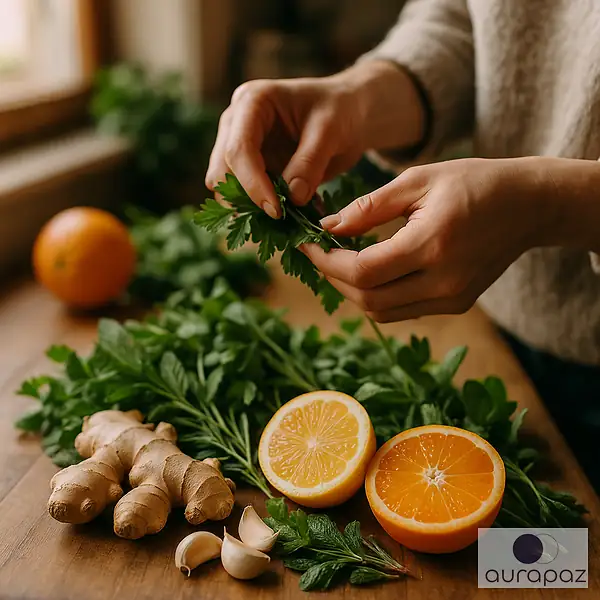
Tulsi (holy basil) has been central to Ayurvedic immune care for over 3,000 years, and modern research validates the tradition. Studies show Tulsi increases natural killer cell and T-helper cell activity, making it one of the best-evidenced adaptogenic herbs for immune support. Brewing two to three fresh leaves in hot water daily is a practice millions of Indian households already follow for precisely this reason. The active compounds, eugenol and rosmarinic acid, are what drive the immunomodulatory effect.
Ginger contains gingerols and shogaols, compounds with demonstrated antiviral and anti-inflammatory properties. In laboratory cell cultures, a 2013 study found that fresh ginger extract reduced how well respiratory syncytial virus attached to airway cells. That is an interesting finding in a dish, and it has not been shown to prevent or shorten infection in people, so treat it as a reason to enjoy ginger rather than as an antiviral. The key word is fresh: raw ginger in warm water with honey, or grated directly into dal and sabzi before serving, works better than dried ginger powder because fresh compounds are significantly more bioavailable. The anti-inflammatory benefits covered in our guide to anti-inflammatory foods extend directly to ginger’s immune-protective mechanism.
Garlic’s allicin is only activated when garlic is crushed or chopped and left for five minutes before cooking. That waiting period activates the enzyme alliinase, converting alliin into allicin, the compound behind garlic’s antimicrobial power. A randomised controlled trial found aged garlic extract reduced both the number of colds and their duration compared to placebo. Crushing a clove into your lunch, waiting five minutes, then adding it to food raw or briefly cooked is the most effective protocol.
Your Gut Is Your Immune Headquarters
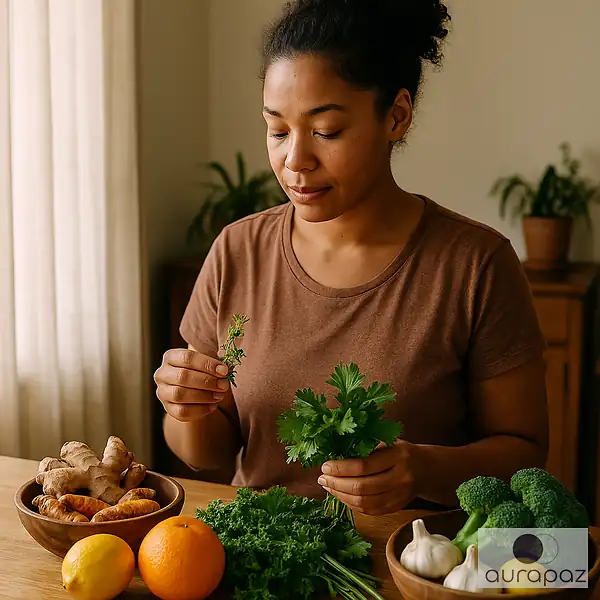
Roughly 70 percent of your immune system lives in and around your gut. The gut-associated lymphoid tissue, known as GALT, monitors everything that passes through your digestive tract and trains immune cells to distinguish threat from non-threat. When your gut microbiome is diverse and robust, your immune responses are faster, more targeted, and far less likely to misfire into chronic inflammation.
Fermented foods are the most direct dietary route to gut immune support during outbreak season. Homemade curd, kefir, miso, and traditionally fermented vegetables introduce live cultures that directly interact with immune tissue in the gut lining. A 2021 Cell study from Stanford found that a high-fermented-food diet increased microbiome diversity and reduced 19 inflammatory markers across 36 immune proteins in just 10 weeks. This connects directly to what our full guide on healing your gut naturally covers on rebuilding microbial diversity through food.
Prebiotic foods feed the beneficial bacteria already living in your gut. Raw onions, garlic, cooked and cooled rice, green bananas, oats, and flaxseeds all qualify. Combining a daily serving of fermented food with prebiotic-rich vegetables creates a synbiotic effect, giving the beneficial bacteria both the organisms and the fuel they need to thrive.

Foods That Silently Weaken Your Defense
Sugar is the most significant immune suppressor in the modern diet. A small 1973 study in the American Journal of Clinical Nutrition reported reduced neutrophil activity for several hours after a 75g sugar load, roughly the amount in two cans of cola. It is widely quoted online but has not been reliably replicated, so treat it as a hypothesis rather than a settled finding. Neutrophils are a frontline component of your innate immune response. During outbreak season, that five-hour window of reduced activity is a vulnerability you cannot afford to leave open, repeatedly, across multiple meals and snacks per day.
Ultra-processed foods are almost as damaging and far more pervasive. They displace the whole foods your immune system depends on, disrupt gut flora with emulsifiers and artificial additives, and sustain the low-grade inflammation that keeps your immune system chronically preoccupied. Indian packaged namkeen, biscuits, instant noodles, and US fast food all fall into this category. The ultra-processed food problem is not about calories. It is about what these foods replace and what they actively damage.
Alcohol suppresses both innate and adaptive immunity through multiple mechanisms. Even moderate intake disrupts slow-wave sleep, the stage when your body produces the most cytokines and natural killer cells. If you are taking immune health seriously during a declared outbreak period, reducing or eliminating alcohol for several weeks is one of the highest-return changes you can make, with effects visible in immune markers within days.
Myths vs Facts About Immunity and Food
❌ Myth: Mega-dosing Vitamin C supplements gives your immune system extra power.
✓ Fact: Your kidneys excrete Vitamin C once tissue saturation is reached at around 200 mg from food. Supplements above that amount are urinated out, not stored. Food sources are safer, more bioavailable, and come with co-factors that supplements lack.
❌ Myth: Eating immunity foods for two or three days before exposure gives you protection.
✓ Fact: Immune resilience is built over weeks and months of consistent nutrition, sleep, and low-stress living. Outbreak seasons are a reminder to build habits, not a trigger for crash protocols that arrive too late to matter.
❌ Myth: Spicy food directly kills viruses in the throat and airways.
✓ Fact: Capsaicin has anti-inflammatory properties and may support mucous membrane health, but it does not kill viruses on contact. The benefit is indirect and modest. Spicy food as the primary defense during an outbreak is wishful thinking.
❌ Myth: Only people who are visibly unwell or malnourished need to focus on immunity nutrition.
✓ Fact: Most urban adults in India and the US have subclinical gaps in Vitamin D, zinc, or selenium that only become significant under immune stress. Outbreak seasons are exactly when those borderline gaps become meaningful, and exactly when correcting them pays off most.
Conclusion
Your immune system is always on. The question is whether your food and lifestyle choices are actively supporting it or quietly undermining it day by day. Immune resilience is not something you build in a weekend, and it is not a defence against any particular illness. It is the cumulative result of consistent daily choices around what you eat, how you sleep, and how well you manage the stress that outbreak news inevitably brings with it.
The foods and herbs in this post have centuries of traditional use behind them and growing bodies of clinical evidence to support them. Tulsi, garlic, ginger, amla, zinc-rich legumes, and fermented curd are not exotic or expensive. They are already in most Indian and many US kitchens, waiting to be used more deliberately and more consistently than they typically are.
Start with one change this week. Add a daily cup of Tulsi ginger tea, crush your garlic five minutes before cooking it, or swap one ultra-processed snack for a handful of pumpkin seeds and a small cup of homemade curd. Small shifts, repeated across weeks, are what actually move the needle on immune health. Your gut, your T-cells, and your natural killer cells do not need a protocol. They need consistent, nourishing food and the rest that lets them do their jobs.
References & Further Reading
• Anti-Inflammatory Foods: The Complete Science-Backed Guide
• How to Heal Your Gut Naturally
• Tulsi Benefits: India’s Holy Basil for Immune Wellness
• NIH: Vitamin C and Immune Function
• WHO: Disease Outbreak News