“Food as medicine” has become one of the defining health ideas of 2026. Doctors are writing prescriptions for vegetables, insurers are paying for healthy meals, and your feed is full of the promise that the right plate can heal almost anything. It is a genuinely hopeful shift, and as a nutritionist I am glad the conversation has moved towards food at all. Yet the phrase gets stretched in two unhelpful directions at once: dismissed as a slogan by sceptics, and inflated into a cure-all by wellness marketing. The honest version sits in between, and it is more useful than either extreme.
Where “Food as Medicine” Came From
The idea that food affects health is not new. It is often traced, a little too neatly, to a line attributed to Hippocrates about letting food be your medicine, a quote historians think he probably never said in that form. What is new is the serious, structured movement now forming around it in healthcare.
In 2026, “Food is Medicine” is no longer just a hashtag. Health systems are running real programmes: produce prescriptions that let patients redeem fruit and vegetables, medically tailored meals for people with serious illness, and nutrition counselling built into clinics. The goal is simple and sensible: use food to help prevent and manage the diet-related conditions, such as type 2 diabetes and heart disease, that dominate modern healthcare.
What the Evidence Actually Shows
Here is the encouraging part, stated carefully. When people take part in these structured food programmes, the results are real if modest. Studies show better diet quality, more fruit and vegetables eaten, improved food security, and in some cases better blood sugar and blood pressure. Modelling from the Tufts Food is Medicine Institute has estimated that rolling out produce prescriptions widely could prevent hundreds of thousands of cardiovascular events and save the healthcare system billions.
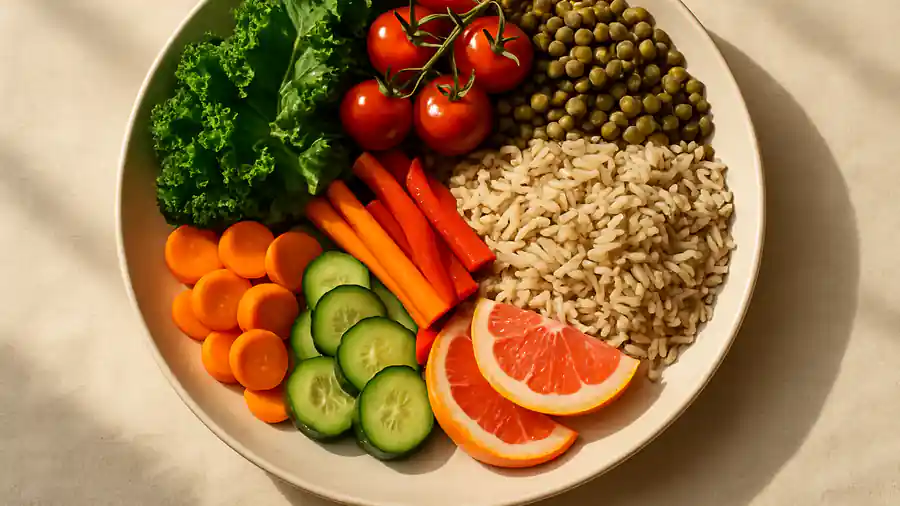
None of this is mysterious. A diet built on vegetables, fruit, whole grains, pulses and healthy fats genuinely lowers the risk of the biggest chronic diseases. That is the same conclusion you reach from a good anti-inflammatory way of eating and from cutting back on ultra-processed foods. Food as medicine, at its best, is simply this well established idea given structure, funding and a place inside the clinic.
Who Benefits Most, and How
Food as medicine is not one single thing, and understanding the different forms helps set honest expectations. In healthcare settings it usually means one of three approaches. Medically tailored meals, cooked to a clinical brief, are for people who are seriously unwell, for example after a hospital stay or during cancer treatment, and these show some of the strongest results. Produce prescriptions, which subsidise fruit and vegetables, help people with diet-related conditions who struggle to afford or access fresh food. Nutrition counselling, ideally with a qualified professional, helps translate all of it into real meals.
The pattern in the research is that the people who gain the most are those who were struggling the most to begin with: lower access to fresh food, a diet heavy in packaged products, or a condition like diabetes that responds strongly to what you eat. If you already eat plenty of vegetables and cook at home, adding a trendy “medicinal” food on top will do far less than the headlines imply. The benefit lives in the gap between a poor diet and a decent one, not in stacking superfoods onto an already good plate.
Food as Medicine: Myth vs Reality
The phrase invites big promises, so it helps to separate what it can and cannot do.
| What the trend says | What the science says |
|---|---|
| Food can cure any disease | Food powerfully helps prevent and manage many chronic conditions, but it does not cure most diseases and is not a replacement for medical treatment |
| Ditch your medication and just eat clean | Never stop prescribed medicine on your own. Food works best alongside medical care, and changes should be made with your doctor |
| You need exotic superfoods and supplements | The evidence favours ordinary whole foods: vegetables, pulses, fruit, whole grains. No single food is magic |
| One perfect diet fixes everyone | Needs vary by person, condition and culture. The best diet is a balanced one you can actually keep up |
| The evidence is rock solid and settled | The direction is promising, but many studies are small and short. Researchers themselves urge honesty about the limits |
Where the Hype Overpromises
For all its promise, the idea is easy to oversell, and the marketing version can do real harm. Three cautions are worth naming.
It is not a replacement for medicine
This is the most important line in this whole article. Food can lower your risk, improve your numbers and reduce how much medication some people need over time, but it does not replace treatment for diabetes, heart disease, cancer or infection. Anyone who tells you to stop your prescribed medicine and simply eat a certain way is giving dangerous advice.
The evidence is promising, not settled
Even enthusiastic researchers admit the science is young. A recent perspective in a leading nutrition journal asked plainly whether food as medicine is “hype or hope”, noting that many studies are small, short and hard to compare. The direction is genuinely encouraging, but the confident cure-all claims run well ahead of the proof.
The risk of medicalising every meal
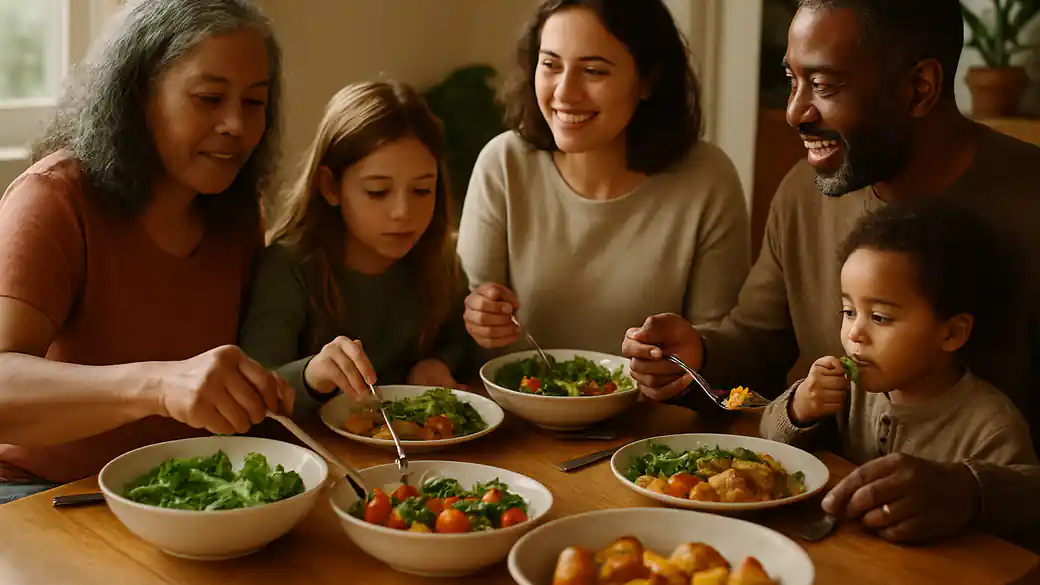
There is also a quieter cost. When every bite is framed as a dose of medicine, eating can turn into anxiety, and food loses its role as pleasure, culture and connection. A meal shared with family is good for you in ways no nutrient chart captures. That balance matters just as much as the effect of food on your gut or your blood sugar.
The Indian Kitchen Was Always Ahead
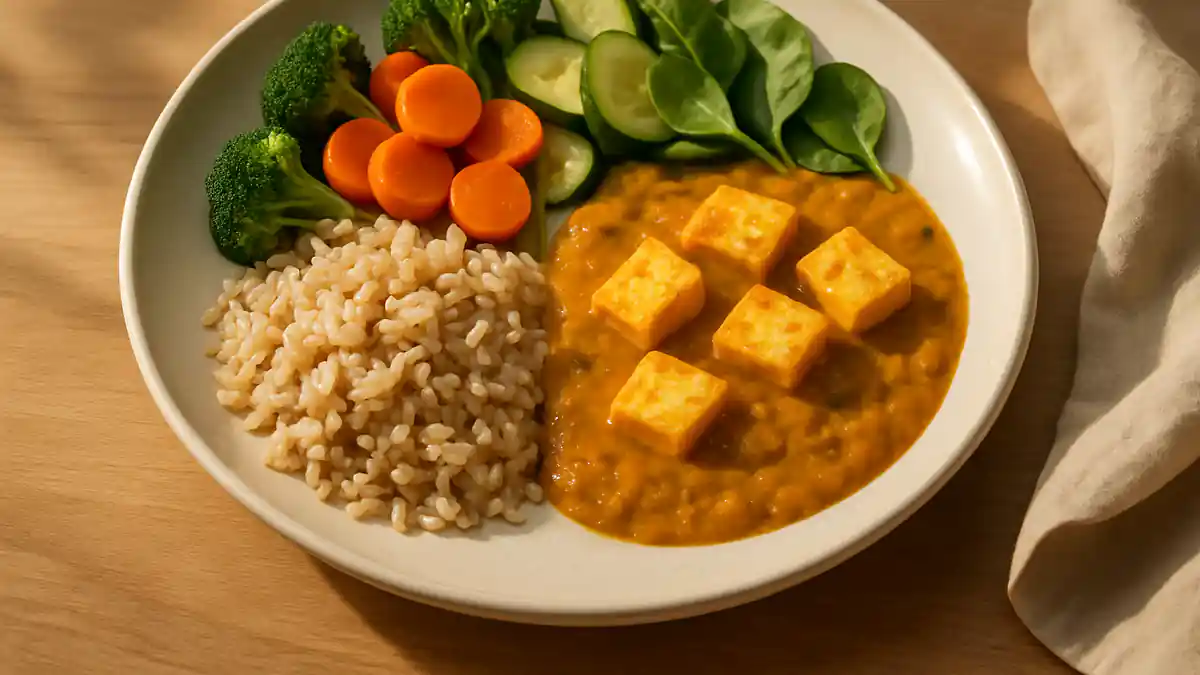
If food as medicine sounds familiar to Indian families, that is because the idea has lived in our kitchens for generations. Haldi in warm milk, ginger and tulsi for a cold, a khichdi when the stomach is upset, seasonal vegetables and a plate built around dal and grains. Much of this traditional wisdom lines up well with modern nutrition.
The trick is to keep the wisdom without romanticising it. A spice is not a cure, and “natural” does not automatically mean powerful or safe in any dose. The real strength of the Indian plate is not one miracle ingredient, it is the overall pattern: plenty of vegetables and pulses, whole grains, fermented foods like curd, and home cooking. That pattern, eaten consistently, is where the genuine medicine lies. Even something as everyday as adequate protein does more for most people than any trending superfood.
How to Actually Use Food as Medicine
You do not need a clinic programme or a shopping list of exotic powders to start. The most evidence-backed steps are refreshingly ordinary.
- Make half your plate vegetables and fruit at most meals. This single habit carries most of the benefit.
- Build meals around whole foods: pulses, whole grains, vegetables, nuts, seeds and some protein.
- Cut back on ultra-processed foods and sugary drinks, which is the other half of the same coin.
- Think patterns, not perfection. What you eat most days matters far more than any single meal.
- If you have a health condition, treat food as a partner to your medical care, planned with your doctor, not a substitute for it.
Food as medicine, honestly
- Food genuinely helps prevent and manage chronic disease. That part is real.
- It complements medical treatment. It does not replace it.
- Ordinary whole foods beat exotic superfoods and supplements.
- The evidence is promising but still young, so be wary of cure-all claims.
- Keep the joy in food. Anxiety at the table is its own kind of harm.
The Bottom Line
Food as medicine is one of the more hopeful ideas in health right now, and the core of it is true: what you eat every day shapes your risk of the diseases that matter most. Where the hype misleads you is in the promise of a cure, the pressure to buy exotic superfoods, and the dangerous suggestion that a good diet can replace your treatment. Keep the wisdom, drop the magical thinking. Build most of your plate from whole foods, enjoy your meals, and let food support your health rather than carry the weight of a miracle.
If you are living with a condition like diabetes, PCOS or high blood pressure and want to use food properly alongside your treatment, that is exactly the kind of thing worth planning together rather than guessing from a video.
Want to use food as a real partner to your health, without the hype? Message Anusha on WhatsAppReferences & Further Reading
- World Health Organization, “Healthy diet” fact sheet: World Health Organization
- Downer S et al., “Food as medicine: translating the evidence”, Nature Medicine (2023): Nature Medicine
- “Perspective: Food Is Medicine: Hype or Hope?”, The Journal of Nutrition (2025): The Journal of Nutrition