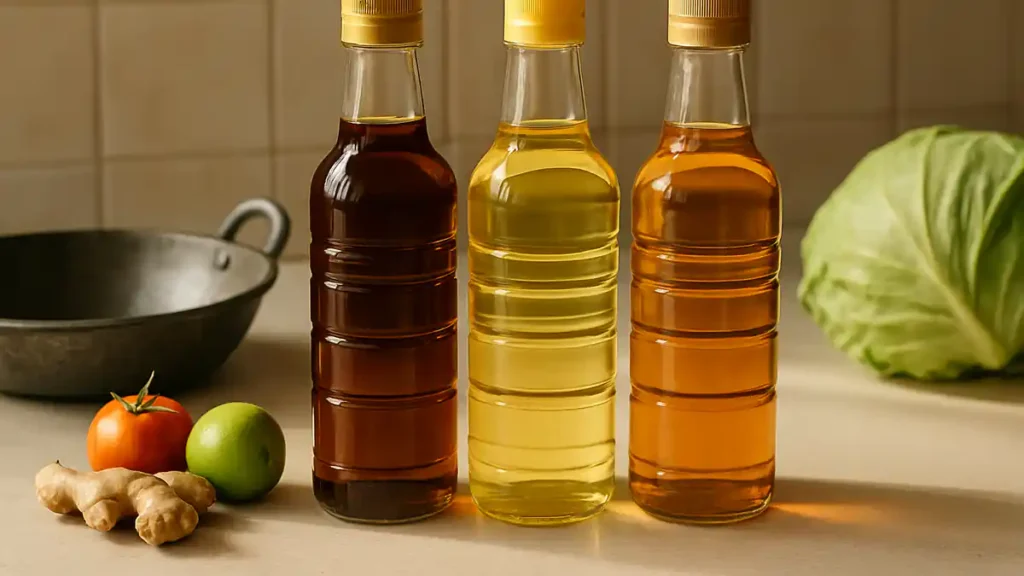
Open any wellness feed and you will meet the internet’s newest food villain: seed oils. Sunflower, soybean, canola, corn and their cousins have been rebranded the “Hateful Eight” and blamed for inflammation, weight gain, brain fog and a long list of modern ills. The advice that follows is always dramatic: throw them all out and cook only in butter, ghee or coconut oil. It is a tidy story with a clear villain, and that is exactly why it spreads. The trouble is that the science is far less dramatic than the hashtags. Seed oils are not the poison they are made out to be, and yet the panic is not entirely baseless either. Here is what actually holds up.
How Seed Oils Became the Internet’s Villain
A few years ago, saturated fat was the enemy and vegetable oils were the healthy swap. Now the script has flipped. So what changed? Not the science so much as the storytelling. The backlash grew out of the popularity of paleo and ancestral eating, a handful of decades old lab studies, and the simple fact that “this one ingredient is secretly harming you” is an irresistible video.
The core accusation is that seed oils are high in omega-6 fats, that we eat far more of them than our grandparents did, and that this drives chronic inflammation. It sounds plausible, and there is a grain of logic in it. Plausible, however, is not the same as proven, and this is where the trend and the evidence part ways.
What Seed Oils Actually Are
Seed oils are simply oils pressed or extracted from seeds rather than fruits. The commonly named ones are sunflower, soybean, corn, canola (rapeseed), cottonseed, grapeseed, safflower and rice bran. They are rich in polyunsaturated fats, particularly an omega-6 fat called linoleic acid, which is an essential fat your body cannot make on its own.
Most are refined, which means heat and processing are used to make them neutral tasting and give them a high smoke point. That refining is one of the things critics point to, and it is a fair thing to ask about. It is worth separating two different worries though: the oil itself, and the ultra-processed foods it is often used to make.
The Inflammation Claim: What the Science Actually Says
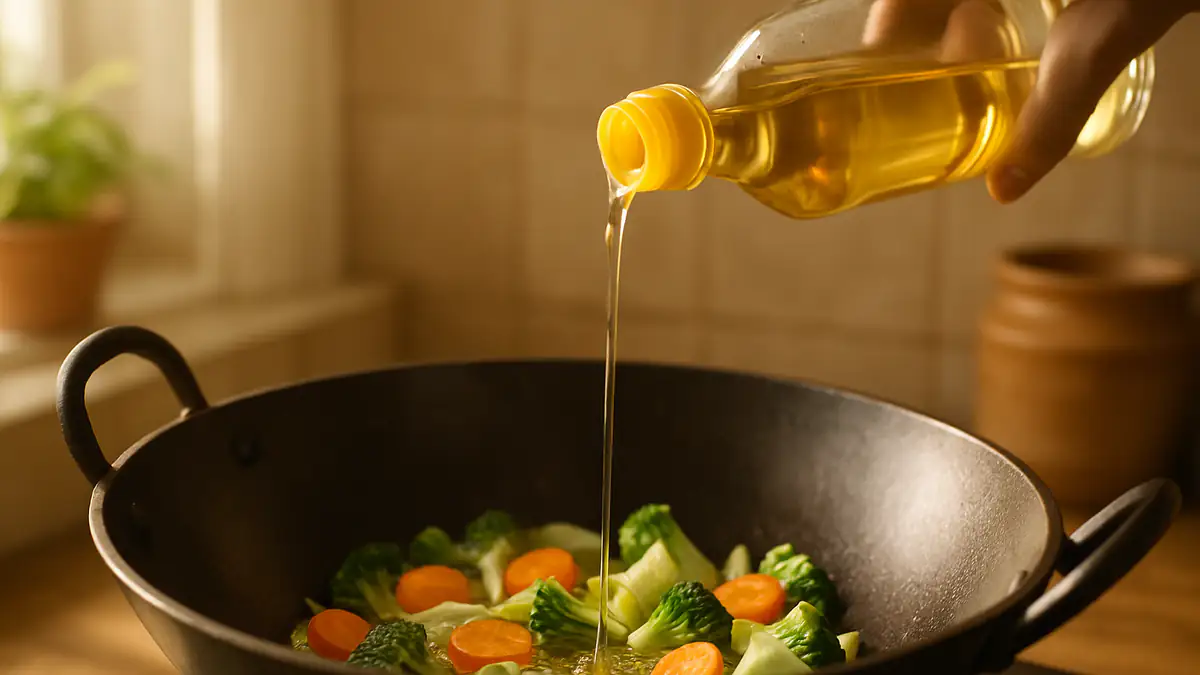
This is the heart of the panic, so it deserves a straight answer. The theory is that the omega-6 linoleic acid in seed oils converts into compounds that fuel inflammation. In a test tube, parts of that pathway exist. In actual human beings, it does not play out the way the videos claim.
When researchers have pooled the controlled trials, higher linoleic acid intake has not been shown to raise the inflammatory markers in your blood. In fact, replacing some saturated fat with polyunsaturated fats from these oils is generally linked to lower LDL cholesterol and a lower risk of heart disease, which is the opposite of the “toxic” story. That is why major health bodies still recommend unsaturated fats over saturated ones. If you want to understand what genuinely calms inflammation, it is the whole pattern of your diet, which we cover in our guide to anti-inflammatory foods, not the presence or absence of a single oil.
Seed Oils: Myth vs Reality
The loudest claims collapse a nuanced topic into a slogan. Here is how the headlines compare with the evidence.
| What the trend says | What the science says |
|---|---|
| Seed oils are toxic and cause inflammation | Controlled trials do not show linoleic acid raising inflammatory markers in people. Replacing saturated fat with these oils tends to lower heart-disease risk |
| Omega-6 is poison | Linoleic acid is an essential fat your body needs. Balance with omega-3 matters, but omega-6 itself is not the enemy |
| Just switch everything to coconut oil or ghee | These are high in saturated fat. Fine in moderation for flavour, but not a wholesale upgrade for your heart |
| If a food has seed oil, it is unhealthy | The real issue is usually the ultra-processed food itself (chips, biscuits, fried snacks), not the oil in isolation |
| Our ancestors never ate them, so avoid them | “Natural” is not the same as “healthy”. The evidence, not nostalgia, is what should guide the plate |

The Kernel of Truth the Panic Is Built On
Dismissing the whole thing as nonsense would be lazy, because the trend does stumble onto something real. It just points the finger at the wrong culprit.
The company they keep
Seed oils are everywhere in ultra-processed foods: packaged snacks, biscuits, instant noodles, deep-fried fast food and bakery items. Diets heavy in these foods genuinely are linked to poor health. But as we explain in our piece on ultra-processed foods, the harm comes from the whole package of refined flour, sugar, salt and easy overeating, not from the oil acting as a lone toxin. Blaming the oil is a bit like blaming the plate.
Balance and how you use them
There is a reasonable point about balance. Modern diets tend to be low in omega-3 fats (oily fish, flax, walnuts) while high in omega-6, and nudging that ratio by eating more omega-3 rich foods is sensible. Repeatedly reusing any oil for deep frying at high heat also creates harmful compounds, whether it is sunflower oil or ghee. Getting some fat from omega-3 rich foods also helps a healthy gut, another reason to think about the whole diet rather than one bottle. So “how much” and “how” matter more than a simple “good oil, bad oil” label.
Refined, Cold-Pressed and Smoke Points: What Actually Matters
If there is a fair question buried in the panic, it is about how oils are made and how we treat them, not whether the seed itself is evil. Most supermarket seed oils are refined, using heat and processing to make them neutral and shelf stable. Cold-pressed and less refined oils keep more of their natural compounds and flavour, which is why many people prefer mustard, groundnut or good olive oil for taste. That is a reasonable preference, but it is not the same as saying refined oils are toxic.
What genuinely matters for your health is the smoke point, the temperature at which an oil starts to break down and produce harmful compounds. Refined oils actually tend to have higher smoke points, which makes them more stable for Indian style high-heat cooking than, say, extra virgin olive oil. The real mistake is not the type of oil so much as overheating it, letting it smoke, and reusing the same oil for frying again and again. Fix those habits and the choice of bottle becomes a much smaller worry.
What About the Indian Kitchen?
Indian cooking has always used a wide range of fats, and that variety is actually a strength. Mustard oil, groundnut oil, sesame oil, sunflower oil, ghee and coconut oil each bring different flavours and fatty acids. You do not need to fear any single one of them.
A few sensible habits do far more than banning a bottle:
- Rotate your oils rather than relying on just one, and match the oil to the dish and its heat.
- Use ghee and coconut oil for their taste, in moderation, remembering they are high in saturated fat.
- Never reuse the same oil again and again for deep frying.
- Cut down on packaged and deep-fried foods. That single change matters more than the oil you cook your dal in.
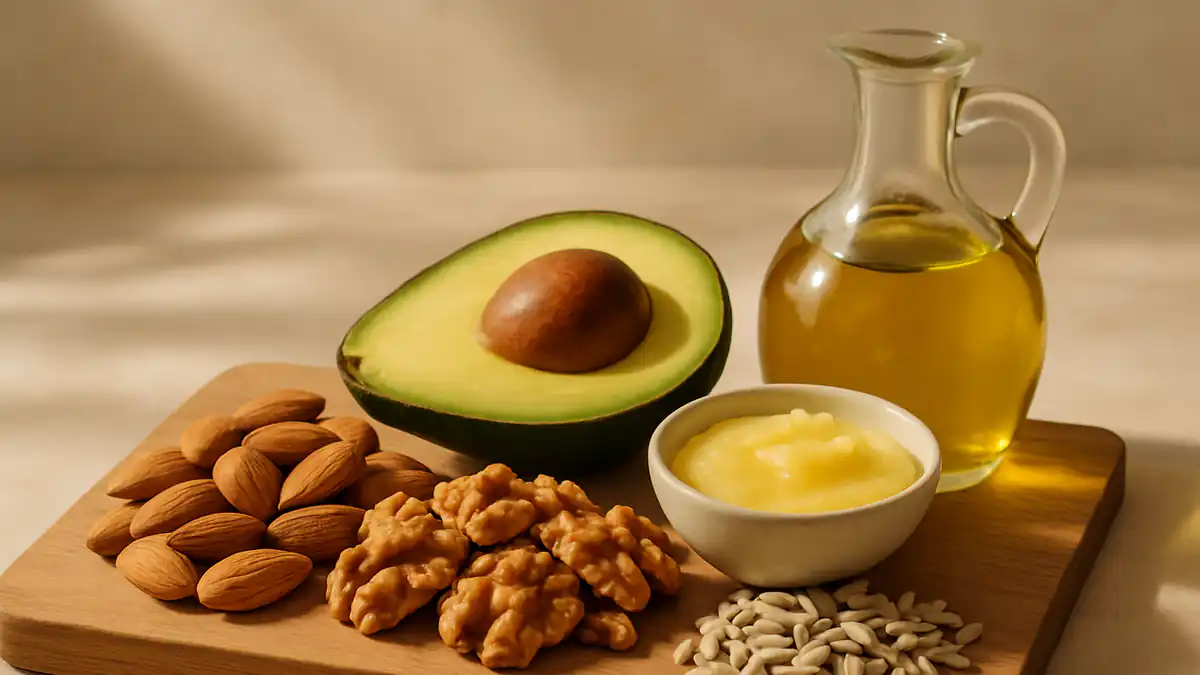
- Get fats from whole foods too: nuts, seeds, and a little oily fish or flax for omega-3.
The sensible take on seed oils
- Seed oils are not toxic. Human trials do not support the inflammation scare.
- Replacing saturated fat with these oils is linked to better heart health, not worse.
- The real problem is ultra-processed food, which happens to contain a lot of them.
- Balance omega-3 and omega-6 by eating more fish, flax, walnuts and greens.
- Cook mostly at home, rotate your oils, and do not reuse frying oil.
The Bottom Line
The seed oil panic gets one thing right: diets drowning in ultra-processed, deep-fried food are bad for us. Where it misleads you is in naming the oil as a lone poison and promising that swapping it for ghee will fix your health. It will not. The evidence still supports unsaturated fats, sensible amounts, and a plate built mostly on whole foods. Cook at home, use a bit less oil, mix up which ones you use, and spend your worry on the packaged snacks instead. That is a far better use of your energy than fearing the bottle in your kitchen.
If you are genuinely confused about what to cook with, or you are managing your cholesterol or heart health, that is worth a proper conversation rather than another rule from your feed.
Confused about which oils to cook with for your health? Message Anusha on WhatsAppReferences & Further Reading
- World Health Organization, “Healthy diet” fact sheet (guidance on fats): World Health Organization
- Mass General Brigham, “Seed Oils: Facts and Myths”: Mass General Brigham
- American Institute for Cancer Research, “Are Seed Oils Really a Health Risk? What Research Shows”: American Institute for Cancer Research