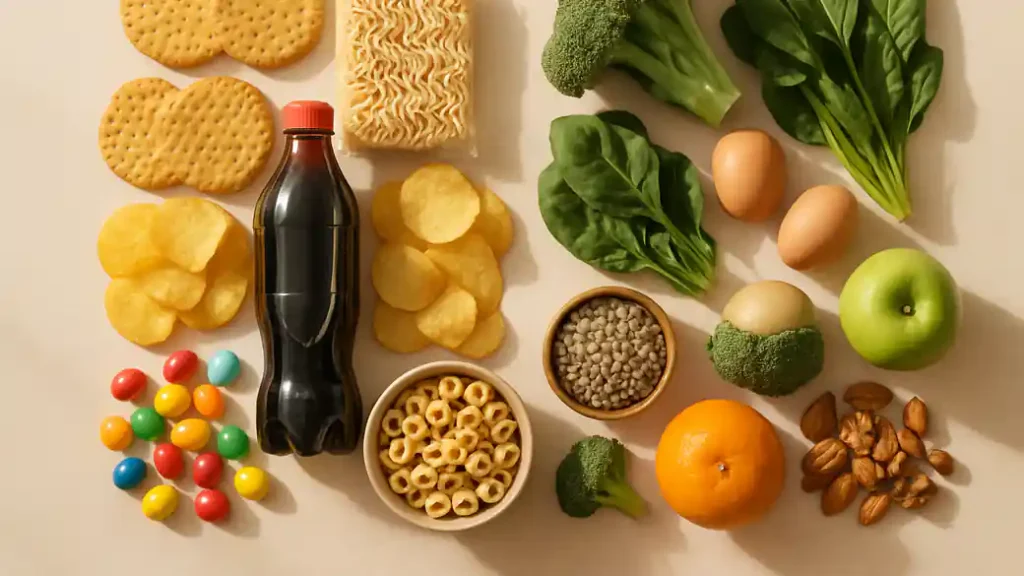
For years, eating well came down to counting calories, fat or sugar. Now the internet has a new villain, and it is a whole category rather than a single nutrient: ultra-processed foods. Your feed is full of it. One video warns that packaged snacks are quietly making you ill, the next insists the whole idea is a scare. Ultra-processed foods, or UPFs, have become one of the most talked about and least understood topics in health. As with most viral trends, the truth sits somewhere in the middle. The panic gets some big things right, and it also misleads you in ways that can make eating well feel far more confusing than it needs to be.
What Actually Counts as “Ultra-Processed”?
Not all processing is bad. Freezing peas, tinning beans, pasteurising milk and setting curd are all forms of processing, and they can make food safer, cheaper and longer lasting. The word that matters is “ultra”.
Researchers use a system called NOVA, which sorts food into four groups:
- Unprocessed or minimally processed: vegetables, fruit, dal, eggs, plain milk, nuts, whole grains.
- Culinary ingredients: oil, ghee, salt, sugar and spices, used to cook the foods above.
- Processed foods: simple combinations such as fresh paneer, tinned beans, or bread made from flour, water, yeast and salt.
- Ultra-processed foods: industrial formulations built largely from substances you would never keep in your own kitchen, plus additives such as emulsifiers, artificial colours, flavour enhancers and sweeteners.
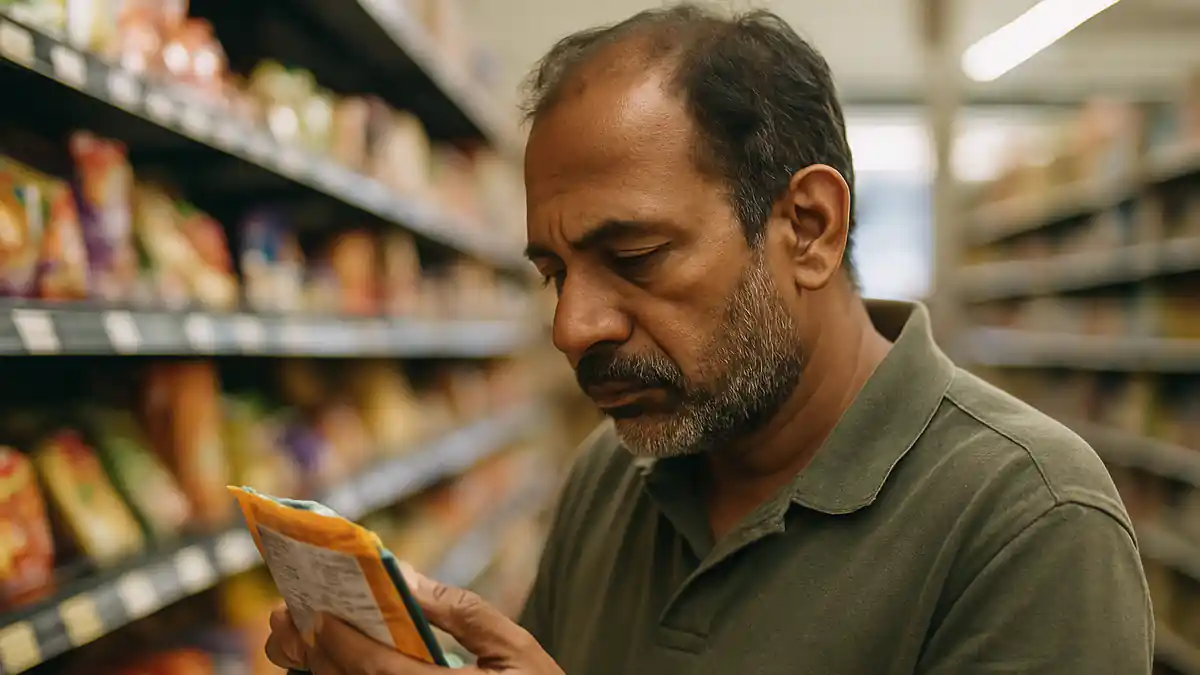
A useful home test: turn the packet over and read the label. If it is long and full of ingredients you do not recognise or could not buy on their own, it is probably ultra-processed. Think packaged biscuits, instant noodles, most breakfast cereals, cola and other soft drinks, chips and namkeen, flavoured yoghurts, packaged cakes, many protein bars, and reformed “nuggets”.
The Hidden Truth: Why Ultra-Processed Foods Are Linked to Poor Health
The concern is not imaginary. Large studies that follow people over years have repeatedly linked diets high in UPFs with a greater risk of obesity, type 2 diabetes, heart disease and early death. That is a real signal, and it is why the topic deserves attention rather than a shrug. The interesting question is why.
It is rarely one single villain
Most UPFs are not unhealthy for one neat reason. They tend to be high in refined sugar, refined oils and salt, low in fibre, and very easy to eat in large amounts. The harm is the whole package working together, which is also why swapping one “bad” ingredient for a trendy one rarely fixes anything. It is the same reason a genuinely anti-inflammatory way of eating focuses on overall patterns, not single foods.
They quietly crowd out real food
Every packet of biscuits with your chai is a bowl of dal, a fruit or a handful of nuts you did not eat instead. UPFs are usually poor in the fibre that feeds your gut bacteria and the protein that keeps you full, so they push out the very foods that protect your health. This is one of the quiet ways they work against a healthy gut.
They are engineered so you keep eating
This is the part the panic gets most right. UPFs are designed by food scientists to hit what the industry calls the “bliss point”, the exact mix of sugar, fat, salt and texture that makes you want the next bite before you have finished the last. Soft, energy dense and quick to eat, they slip past the body’s natural fullness signals. In one carefully controlled study, people given an ultra-processed diet ate around 500 more calories a day than the same people on an unprocessed diet, without even noticing.
Ultra-processed foods are not simply unhealthy ingredients. They are engineered to be easy to overeat, which is a different problem altogether.
Ultra-Processed Foods: Myth vs Reality
The loudest online claims tend to flatten a genuinely complex topic. Here is how the headlines compare with the evidence.
| What the trend says | What the science says |
|---|---|
| All processed food is poison | Processing is a spectrum. Freezing, tinning and fermenting are fine; the concern is ultra-processing, not a bag of frozen peas |
| One additive is the real cause | No single additive explains the risk. It is mostly the whole package: sugar, refined oil, salt, low fibre and easy overeating |
| If it has a label, it will harm you | Plenty of packaged foods (plain curd, tinned beans, wholegrain bread) are perfectly healthy. The ingredient list matters more than the packet |
| “Healthy” protein bars are a free pass | Many are still ultra-processed and sugar heavy. Real food usually does the job better and cheaper |
| You must cut out UPFs completely | An occasional biscuit will not undo a good diet. Your everyday pattern, not the rare treat, shapes your health |
Where the Panic Gets It Wrong
For all it gets right, the UPF panic has a real downside: it can turn eating into a source of fear and guilt. Two traps are worth naming.
First, the “if it is processed, it is poison” trap. Treating a wholegrain bread, a carton of plain curd and a packet of sweets as equally toxic is not supported by the science, and it pushes people away from affordable, convenient foods that genuinely help. Not everyone has the time or budget to cook every meal from scratch, and shaming them for it helps no one.
Second, the classification itself is blunt. The ultra-processed label lumps a sugary cola together with a fortified wholegrain cereal, even though their effect on your body is not the same. You do not eat classifications, you eat meals. The healthiest approach is to lean towards whole foods most of the time, rather than to memorise a banned list and panic over every ingredient you cannot pronounce.
What the WHO and the Evidence Actually Recommend
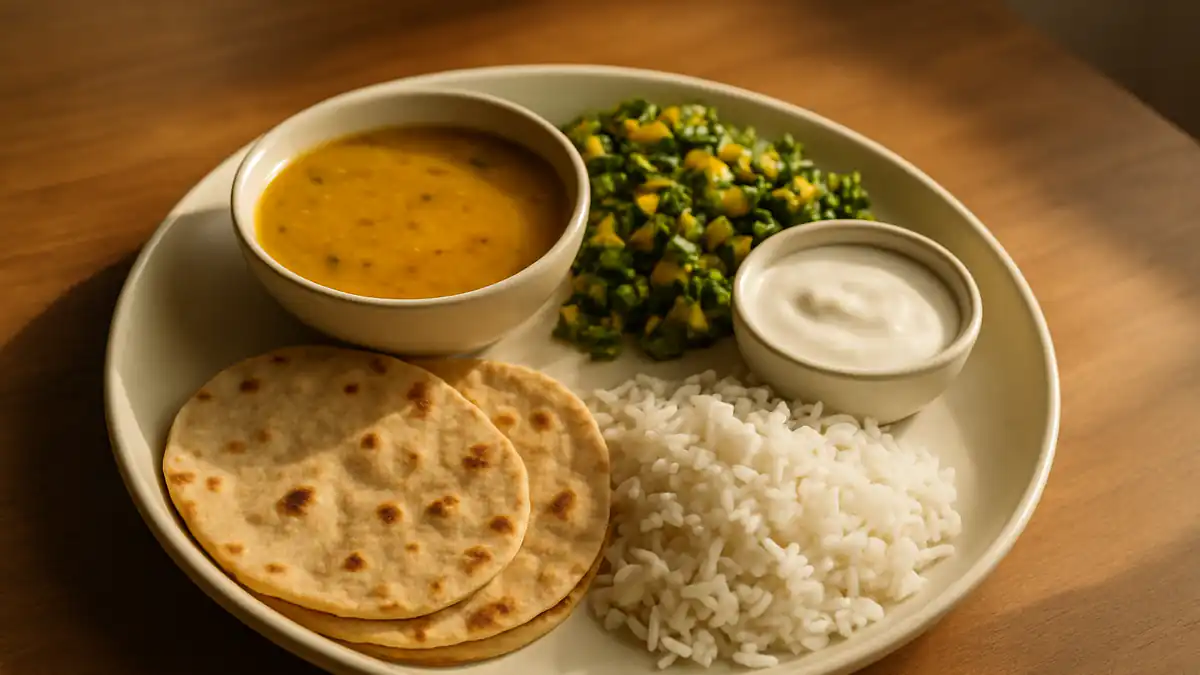
Step away from the noise and the official advice is refreshingly calm. The World Health Organization recommends building your diet around whole and minimally processed foods, while limiting free sugars to under 10 percent of your daily energy, keeping salt under 5 grams a day, and cutting out industrial trans fats. Notice what this does: it targets the exact features that make most UPFs a problem, without demanding a joyless, all or nothing diet.
The WHO has also weighed in on one of the most popular UPF “fixes”. In 2023 it advised against using non-sugar sweeteners such as aspartame and sucralose for weight control, after reviews found no long-term benefit for body fat and some signals of harm. In plain terms, swapping a sugary soft drink for a diet one is not the health win the marketing suggests. The same logic applies to much of the ultra-processed “health food” aisle, and it fits what happens once you understand how sugar affects your skin and body.
The Indian Plate: Where UPFs Quietly Sneak In
It is easy to picture UPFs as an American problem of burgers and fizzy drinks, but they have woven themselves into everyday Indian life just as deeply. The usual suspects: packaged biscuits with tea, namkeen and chips, instant noodles and pasta, sugary malted drinks, packaged white bread and rusks, flavoured yoghurts, bottled cold drinks, and the growing shelf of protein bars and breakfast cereals dressed up as wellness.
The good news is that the Indian kitchen is also one of the easiest places in the world to eat mostly whole foods. A few honest swaps go a long way.
| Instead of | Try |
|---|---|
| Biscuits or namkeen with chai | A handful of roasted chana, peanuts or makhana, or a piece of fruit |
| Instant noodles | Vegetable poha, upma or a quick besan chilla |
| Sugary breakfast cereal | Oats, idli, dosa, or curd with fruit and seeds |
| Cold drinks or packaged juice | Nimbu pani, chaas, or plain water with lemon |
| Protein bars | Roasted chana, paneer, eggs or dal (see our protein guide) |

How to eat fewer UPFs without obsessing
- Read the label. A short list of familiar ingredients is a good sign.
- Aim for “mostly whole foods”, not “zero packets”. Consistency beats perfection.
- Cook one extra meal a week from scratch, then build from there.
- Put fibre and protein at the centre of each meal; they crowd UPFs out naturally, which is the sensible half of the fibre trend.
- Do not swap sugar for sweeteners and call it health. Choose water or unsweetened drinks instead.
The Bottom Line
The ultra-processed foods panic gets the headline right: diets built on industrial, hyper-palatable products are linked to real harm, largely because they are so easy to overeat and they crowd out the foods your body needs. Where it misleads you is in the all or nothing fear, the idea that any packet is poison and any label is a threat. The honest message is quieter. Base your plate on whole and minimally processed foods most of the time, keep an eye on sugar, salt and refined oils, and let the occasional treat simply be a treat.
If your daily eating leans heavily on packets and you are not sure where to start, that is worth a proper conversation rather than another wave of online fear.
Want help building a mostly whole-food plate that fits your real life? Message Anusha on WhatsApp