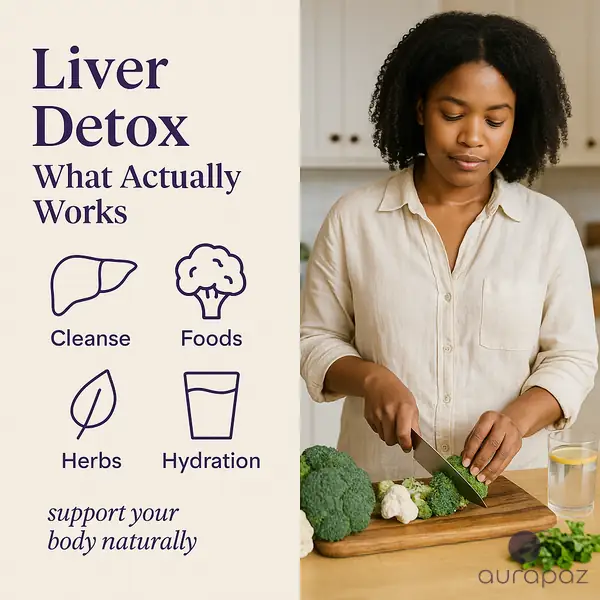
Walk into any wellness store and you will find shelves of liver detox teas, capsules, drops, and 7-day cleanse programmes, each promising to flush toxins out of your body. Almost none of them do what the label claims. The honest truth about a liver detox is that your liver, supported by the right habits, already does this work brilliantly on its own.
This guide separates the science from the sales pitch. You will learn how your liver actually works, which foods and habits genuinely support it, and which detox claims to ignore entirely. Both Ayurveda and modern nutrition agree on the same principle: your liver does not need a flush, it needs the right daily care.
What Your Liver Actually Does Every Day
Your liver is the largest internal organ in your body and the most metabolically active. It filters every drop of blood passing through your gut, breaks down medications and alcohol, processes hormones, manufactures bile for fat digestion, stores key vitamins, and converts excess carbohydrate into stored glucose. All of this happens around the clock without you ever noticing.
Detoxification is only one of those jobs, but it is the most misunderstood. Your liver runs a two-phase chemical process. Phase one uses enzymes to break harmful compounds, including alcohol, pollutants, and excess hormones, into intermediates. Phase two then attaches those intermediates to other molecules so they can be excreted safely through bile or urine.
When people picture a liver detox, they imagine flushing the organ clean. The reality is gentler and far more chemical. Your liver does not need flushing. It needs the raw materials, including protein, B vitamins, sulphur compounds, and antioxidants, to keep both phases running smoothly.
The Truth About Liver Detox Products
Most commercial liver detox products are built around marketing, not rigorous evidence. Common ingredients include milk thistle, dandelion root, burdock, and beetroot powder, packaged as cleansing agents. Some of these herbs do support liver function, but at therapeutic doses tested in clinical trials, not the tiny amounts in a typical tea bag or capsule blend.
Milk thistle, for example, contains silymarin, a flavonoid complex shown to support liver cells in people with chronic liver disease. National Institutes of Health research confirms its protective role at standardised doses. Healthy livers in healthy people, however, do not gain much measurable benefit from routine supplementation.
Harvard Health has been blunt on this. Most detox products work mainly by causing diuresis or loose stools, giving the impression that something is happening while water and electrolytes simply leave your body. Real liver support comes from daily food and lifestyle, not pills promising dramatic results in 7 days.
Foods That Genuinely Support Liver Function
What your liver actually needs is steady access to specific nutrients across the week. Cruciferous vegetables such as broccoli, cauliflower, cabbage, and Brussels sprouts top the list. They contain sulphur compounds called glucosinolates that directly enhance the phase two enzymes responsible for clearing hormones and toxins safely.
Garlic, onions, eggs, and lentils provide sulphur amino acids your liver uses to make glutathione, its most important detox antioxidant. Beetroot, with its betalain pigments, supports phase two pathways and helps bile flow. Bitter leafy greens such as rocket, dandelion leaves, and methi stimulate bile production and gentle digestion of fats.
Antioxidant-rich foods, including berries, citrus, coffee in moderation, and green tea, protect liver cells from oxidative stress. Healthy fats from olive oil, avocado, and oily fish reduce fat accumulation inside the liver, which matters more than ever as non-alcoholic fatty liver disease becomes one of the most common diagnoses worldwide. Our companion guide to anti-inflammatory foods covers the broader pattern that protects the liver and the rest of the body together.

Daily Habits That Help Your Liver
Food matters, but daily habits matter just as much. Alcohol is the single biggest avoidable burden on your liver. Even moderate, regular drinking interferes with both phase one and phase two pathways and slowly accumulates damage. Cutting back, or stopping completely for a few weeks, gives the liver real breathing room to repair.
Sleep is the second underrated factor. The liver follows a strong circadian rhythm, with peak detox activity in the early morning. Chronic late nights and shift work disrupt liver gene expression and slow toxin clearance. Seven to eight hours of consistent sleep is one of the most powerful liver-supportive habits available.
Movement helps too. Brisk walking, cycling, or any aerobic exercise improves insulin sensitivity, reduces fat stored inside the liver, and lifts the antioxidants that protect liver cells. Add hydration of roughly 30 ml per kilogram of body weight a day, and you have given your liver the most evidence-based support possible without buying a single bottle. The gut and the liver work closely together too, so our guide on how to heal your gut naturally is a useful next read.

Ayurvedic and Traditional Approaches to Liver Health
Ayurveda treats the liver as the seat of Pitta, the fiery transformation energy of the body. When Pitta runs hot, classical texts describe symptoms that line up with modern liver complaints, including digestive heat, sluggish bowels, skin flare-ups, and irritability. The Ayurvedic approach is to cool, lubricate, and gently support, not to flush.
Bitter herbs are the foundation. Bhumi amla, kutki and guduchi are among the herbs classical Ayurveda associates with liver support, and they are still widely used in India today. Guduchi (giloy) needs a specific caution: Indian hepatologists have reported cases of liver injury linked to giloy supplements. There is genuine debate about whether the cause is authentic Tinospora cordifolia or a substituted species sold under the same name, but you cannot tell which is in a commercial packet. Given that this is an article about protecting your liver, I would not take any of these as a supplement without your doctor involved, particularly if you already have a liver condition or take regular medication. Triphala, the three-fruit blend used for centuries to support digestion and gentle elimination, also supports bile flow and a healthier gut, which directly reduces the burden on the liver.
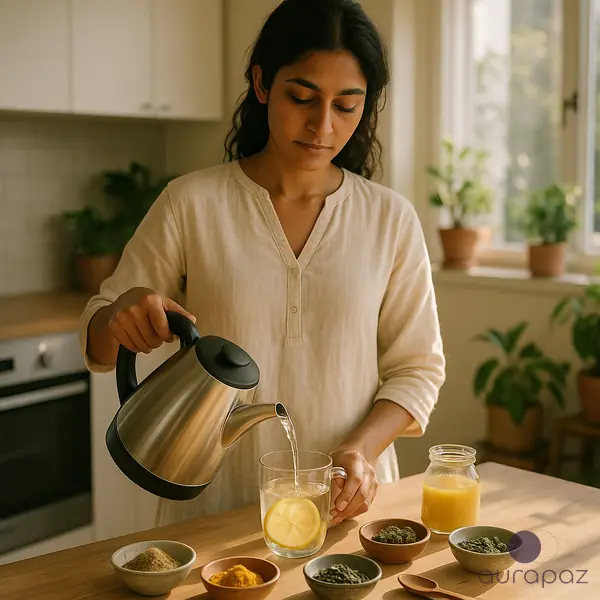
Daily kitchen habits help too. Warm water with lemon in the morning, a teaspoon of ghee with vegetables, and turmeric in cooking all carry liver-supportive evidence from both Ayurvedic tradition and modern research. Sustainable habits, not aggressive cleanses, are what keep the liver well year after year.
Myths vs Facts About Liver Detox
Liver detox is surrounded by claims that sound scientific but do not survive a close look. Here is what the evidence actually shows.
❌ Myth: A 7-day liver cleanse can flush years of toxins from your body.
✅ Fact: Your liver is not a storage tank that fills with toxins. It processes and excretes them continuously. There is nothing inside to flush, and no cleanse can compress years of work into a single week.
❌ Myth: Detox teas remove toxins through your gut.
✅ Fact: Most detox teas contain laxative herbs such as senna. They cause loose stools, dehydration, and electrolyte loss, not real toxin removal. Long-term use damages the colon.
❌ Myth: A yellow or coated tongue is a sign of liver toxicity.
✅ Fact: Tongue coatings reflect digestion, oral bacteria, and recent food, not liver health. Real liver problems show up as fatigue, abdominal discomfort, jaundice, and abnormal blood tests, not tongue colour.
❌ Myth: Healthy people benefit from taking milk thistle every day.
✅ Fact: Milk thistle has clinical evidence in people with chronic liver disease, not in healthy individuals. Routine supplementation provides no measurable advantage and can interact with certain prescriptions.
Conclusion
The most useful thing to know about liver detox is that your liver does not need a product to detox itself. It needs steady food, restful sleep, moderate or zero alcohol, daily movement, and protection from genuinely toxic exposures such as smoking and unnecessary medications.
Build your week around cruciferous vegetables, leafy bitters, healthy fats, and quality protein, then layer in the Ayurvedic habits that fit your routine. Warm lemon water, triphala if it suits you, turmeric in your cooking, and bitter greens on your plate are gentle, evidence-friendly choices.
Skip the detox teas and 7-day kits. Spend on the foods, sleep, and habits that genuinely support your liver, your gut, and your skin together. Done consistently, this kind of liver detox is the only one that actually works.
References & Further Reading
• The Dubious Practice of Detox (Harvard Health)
• Non-Alcoholic Fatty Liver Disease (Mayo Clinic)
• Milk Thistle for Liver Disease: NIH StatPearls